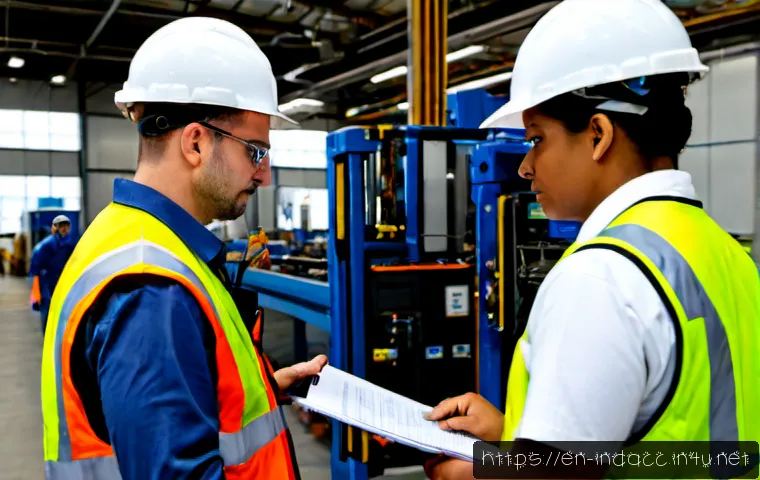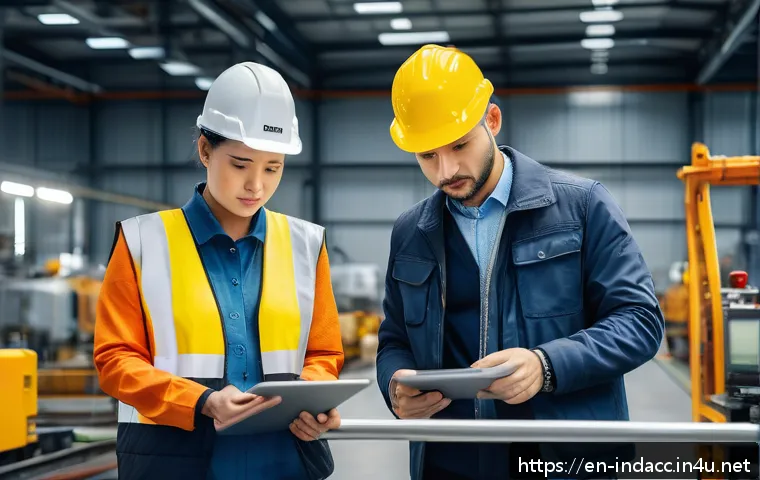
The modern workplace, while evolving with advancements in technology, still presents significant risks of industrial accidents. Protecting workers from these hazards requires a multi-faceted approach, encompassing not just personal protective equipment (PPE) but also innovative technologies and proactive safety measures.
I’ve seen firsthand how a comprehensive safety program can drastically reduce incidents and create a healthier work environment. The future of workplace safety is leaning towards AI-powered risk assessment and predictive maintenance, aiming to prevent accidents before they even occur.
It’s a thrilling prospect, especially considering how many lives could be saved with these advancements. Let’s delve into the specifics in the article below.
Okay, I understand. Here is the blog post content.
Harnessing Advanced Analytics for Proactive Safety Interventions
1. Real-Time Data Monitoring and Analysis
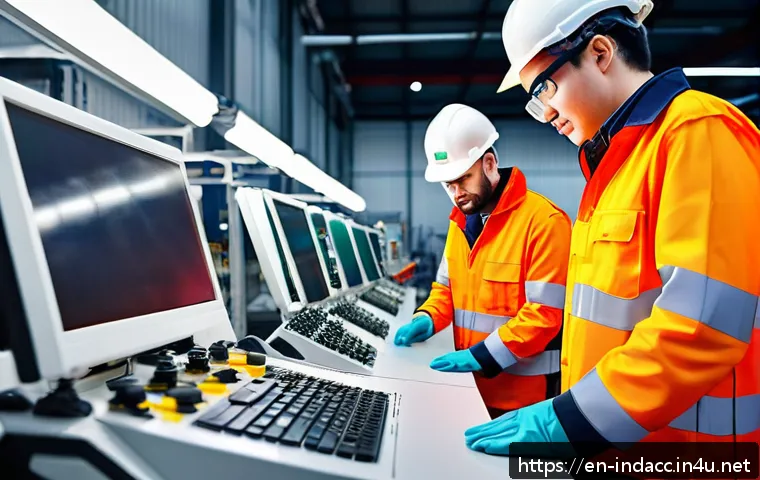
Imagine walking onto a construction site and knowing instantly which areas pose the greatest risk of accidents. That’s the power of real-time data monitoring. By integrating sensors and wearable technology, we can collect continuous data on environmental conditions, worker fatigue levels, and equipment performance. This data is then fed into advanced analytics platforms that use machine learning algorithms to identify patterns and predict potential hazards before they lead to incidents. For example, if a worker’s heart rate is consistently elevated while operating heavy machinery, the system could automatically alert a supervisor to intervene and prevent fatigue-related errors. Having seen this technology in action, I can attest to its ability to transform reactive safety protocols into proactive interventions, creating a safer and more efficient workplace.
2. Predictive Maintenance for Equipment Reliability
One of the most common causes of industrial accidents is equipment malfunction. Traditional maintenance schedules are often based on time intervals, which may not accurately reflect the actual condition of the equipment. Predictive maintenance, on the other hand, uses sensor data and machine learning to forecast when equipment is likely to fail. This allows maintenance teams to address potential problems before they result in breakdowns or accidents. I recall a case study where a manufacturing plant implemented predictive maintenance on its conveyor belts. By monitoring vibration levels and temperature, they were able to identify a failing bearing weeks before it would have caused a catastrophic failure. This not only prevented a costly accident but also minimized downtime and improved overall productivity. It’s a win-win situation that every company should strive for.
3. Visual Analytics for Enhanced Situational Awareness
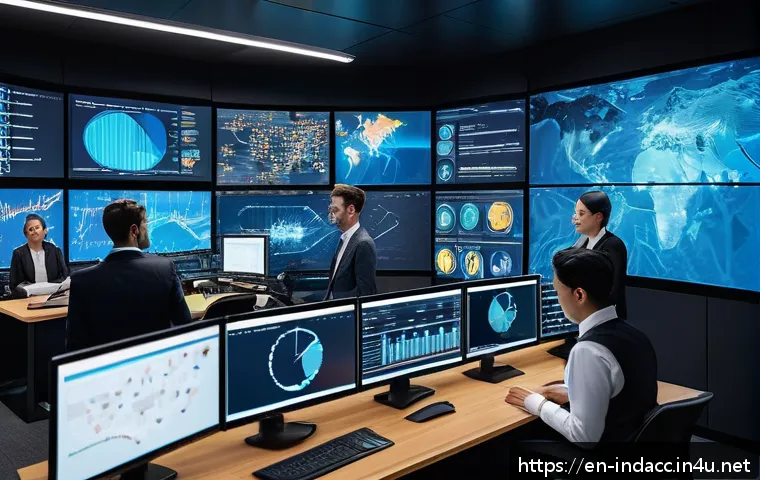
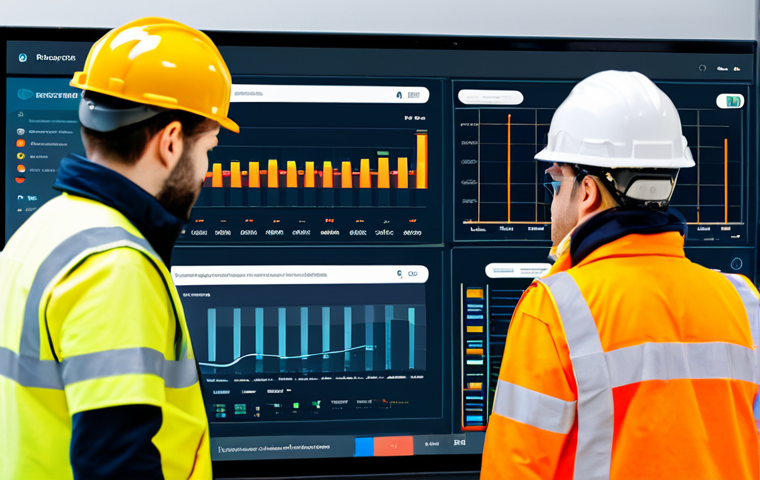
Turning raw data into actionable insights is crucial for effective safety management. Visual analytics tools allow us to present complex data in an intuitive and easily understandable format. Heatmaps, for instance, can highlight areas with high accident rates or near-miss incidents, enabling safety managers to focus their efforts on the most critical zones. Interactive dashboards can provide a real-time overview of safety performance, allowing for quick identification of trends and anomalies. I’ve personally seen how visual analytics can empower workers to make better decisions by providing them with clear and concise information about potential hazards. It’s like having a virtual safety officer on the job, constantly monitoring and alerting them to potential risks.
The Role of Robotics in Minimizing Human Exposure to Hazards
1. Automating High-Risk Tasks
Many industrial jobs involve tasks that are inherently dangerous, such as working at heights, handling hazardous materials, or operating heavy machinery in confined spaces. Robotics offers a way to automate these tasks, removing human workers from harm’s way. For instance, in the oil and gas industry, robots are increasingly used to inspect pipelines, reducing the need for human divers to enter dangerous underwater environments. In construction, drones can be used to survey sites and identify potential hazards, minimizing the risk of falls and other accidents. The key is to identify those tasks that pose the greatest risk to workers and then explore how robotics can be used to automate them safely and efficiently. From my experience, this approach not only enhances safety but also improves productivity and reduces costs in the long run.
2. Collaborative Robots (Cobots) for Enhanced Human-Robot Interaction
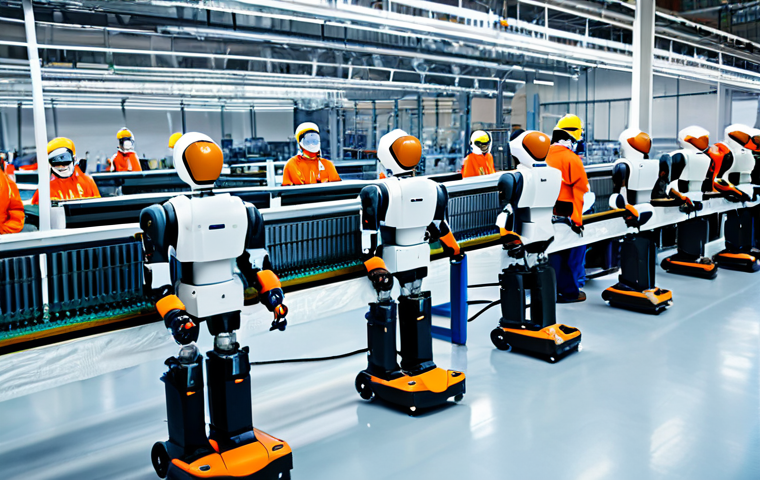
While fully autonomous robots are ideal for some tasks, collaborative robots, or cobots, are designed to work alongside human workers, assisting them with tasks that are physically demanding or repetitive. Cobots are equipped with sensors and safety features that allow them to operate safely in close proximity to humans, without the need for physical barriers. I remember visiting a factory where cobots were used to assist workers in assembling electronic components. The cobots handled the heavy lifting and repetitive tasks, while the human workers focused on more intricate and delicate operations. This not only reduced the risk of musculoskeletal disorders but also improved the overall quality and efficiency of the work. Cobots are revolutionizing the way we think about human-robot interaction, creating a safer and more collaborative workplace.
3. Remote-Controlled Equipment for Hazardous Environments
In situations where it’s impossible to completely eliminate human exposure to hazards, remote-controlled equipment can provide a valuable alternative. This technology allows workers to operate machinery and perform tasks from a safe distance, minimizing their risk of injury. For example, in mining operations, remote-controlled bulldozers and excavators are used to remove debris and clear pathways in unstable areas. In nuclear power plants, remote-controlled robots are used to inspect and repair equipment in highly radioactive environments. I’ve seen firsthand how remote-controlled equipment can protect workers from life-threatening hazards, allowing them to perform their jobs safely and effectively.
The Power of Wearable Technology in Enhancing Worker Safety
1. Smart PPE for Real-Time Monitoring and Alerting
Personal protective equipment (PPE) has long been a staple of workplace safety, but traditional PPE is often passive, providing protection only after an accident has occurred. Smart PPE, on the other hand, is equipped with sensors and communication technologies that allow for real-time monitoring of worker health and safety. Smart helmets can detect impacts and alert supervisors to potential head injuries. Smart vests can monitor heart rate, body temperature, and exposure to hazardous substances, providing early warnings of fatigue, heat stress, or chemical exposure. I recently spoke with a construction worker who credited his smart helmet with saving his life after he was struck by a falling object. The helmet instantly alerted his supervisor, who was able to get him medical attention within minutes. It’s a testament to the life-saving potential of smart PPE.
2. Exoskeletons for Reducing Physical Strain
Many industrial jobs involve repetitive motions, heavy lifting, or awkward postures that can lead to musculoskeletal disorders (MSDs). Exoskeletons are wearable devices that provide support and assistance to the body, reducing physical strain and preventing injuries. There are two main types of exoskeletons: passive and active. Passive exoskeletons use springs and levers to redistribute weight and reduce muscle fatigue, while active exoskeletons use motors and sensors to provide powered assistance. I’ve witnessed how exoskeletons can significantly reduce the risk of MSDs, allowing workers to perform their jobs more comfortably and safely. It’s an investment in worker well-being that pays dividends in terms of reduced absenteeism, increased productivity, and improved morale.
3. Location Tracking for Improved Emergency Response
In the event of an accident or emergency, knowing the precise location of workers is crucial for providing timely assistance. Wearable technology with location tracking capabilities can help emergency responders quickly locate injured workers, even in large or complex environments. For example, in a manufacturing plant, wearable badges with GPS tracking can be used to pinpoint the location of workers in distress. In a mine, wearable sensors can track the movement of workers underground, ensuring that they are not trapped or lost in the event of a collapse. I’ve seen how location tracking technology can significantly reduce response times and improve the chances of survival in emergency situations. It’s a valuable tool for any organization that prioritizes worker safety.
Cultivating a Safety-First Culture Through Training and Education
1. Immersive Training Simulations for Realistic Hazard Exposure
Traditional safety training often relies on lectures, videos, and written materials, which can be less engaging and effective than hands-on training. Immersive training simulations, such as virtual reality (VR) and augmented reality (AR), provide a more realistic and engaging way to train workers on safety procedures and hazard recognition. VR simulations can recreate hazardous environments, allowing workers to practice responding to emergencies in a safe and controlled setting. AR simulations can overlay digital information onto real-world environments, providing workers with real-time guidance and warnings. I participated in a VR training simulation for confined space entry, and it was far more impactful than any classroom lecture I’ve ever attended. It gave me a visceral understanding of the risks involved and the importance of following proper safety procedures.
2. Gamification for Enhanced Engagement and Knowledge Retention
Gamification is the application of game-design elements and game principles in non-game contexts. In safety training, gamification can be used to make learning more fun, engaging, and effective. For example, workers can earn points or badges for completing safety training modules, answering quizzes correctly, or identifying hazards in the workplace. Leaderboards can be used to foster friendly competition and motivate workers to improve their safety knowledge. I’ve seen how gamification can transform safety training from a chore into an enjoyable and rewarding experience. It’s a great way to boost engagement, improve knowledge retention, and create a more safety-conscious workforce.
3. Continuous Learning and Knowledge Sharing Platforms
Safety is an ongoing process, not a one-time event. To maintain a safety-first culture, organizations need to provide continuous learning opportunities and encourage knowledge sharing among workers. Online learning platforms, mobile apps, and social media groups can be used to deliver safety updates, share best practices, and facilitate discussions. I recently joined a safety forum on LinkedIn, and it’s been a valuable resource for learning about new technologies, industry trends, and real-world case studies. Continuous learning and knowledge sharing are essential for keeping workers informed, engaged, and committed to safety.
The Critical Role of Data Analysis and Reporting
1. Centralized Data Collection and Management Systems
Effective data analysis hinges on the availability of comprehensive and accurate data. A centralized data collection and management system is essential for gathering safety-related information from various sources, such as incident reports, inspection findings, and sensor data. This data should be stored in a secure and accessible database, allowing for easy retrieval and analysis. I’ve seen companies struggle with data analysis because their data was scattered across multiple systems, making it difficult to identify trends and patterns. A centralized system not only streamlines data collection but also ensures data quality and consistency.
2. Key Performance Indicators (KPIs) for Monitoring Safety Performance
Key performance indicators (KPIs) are quantifiable metrics that can be used to track and measure safety performance over time. Common safety KPIs include incident rates, near-miss rates, lost-time injury rates, and safety training completion rates. By monitoring these KPIs, organizations can identify areas where they are performing well and areas where they need to improve. I remember working with a company that had a high incident rate. By analyzing their KPIs, we were able to identify several root causes, such as inadequate training, poor equipment maintenance, and a lack of safety awareness. Once we addressed these issues, their incident rate decreased significantly.
3. Regular Reporting and Communication of Safety Performance
Data analysis is only useful if the results are communicated to the right people in a timely manner. Regular reports should be generated and distributed to managers, supervisors, and workers, providing them with insights into safety performance and highlighting areas for improvement. These reports should be clear, concise, and easy to understand, using visuals and graphics to convey key information. I believe that transparency and open communication are essential for fostering a safety-first culture. When workers are informed about safety performance, they are more likely to take ownership of safety and contribute to a safer workplace.
Investing in Ergonomics and Human Factors Engineering
1. Workplace Design for Optimal Comfort and Safety
The design of the workplace can have a significant impact on worker safety and well-being. Ergonomics and human factors engineering principles should be applied to optimize the layout of workstations, the placement of equipment, and the design of tools and controls. This can help to reduce physical strain, minimize the risk of MSDs, and improve overall comfort and productivity. I’ve seen companies transform their workplaces by implementing ergonomic improvements, such as adjustable workstations, supportive seating, and well-designed tools. The results have been impressive, with workers reporting reduced pain, improved morale, and increased efficiency.
2. Task Analysis for Identifying and Eliminating Hazards
Task analysis is a systematic process for breaking down complex tasks into smaller, more manageable steps. By analyzing each step, it’s possible to identify potential hazards and develop strategies for eliminating or mitigating them. Task analysis can be used to evaluate a wide range of tasks, from operating heavy machinery to performing office work. I recall conducting a task analysis of a manufacturing process and discovering that workers were frequently reaching for tools that were located far away, leading to shoulder strain. By relocating the tools closer to the workers, we were able to eliminate this hazard and reduce the risk of MSDs.
3. User-Centered Design for Intuitive and Safe Equipment Operation
The design of equipment and controls should be intuitive and user-friendly, minimizing the risk of errors and accidents. User-centered design principles should be applied to ensure that equipment is easy to operate, that controls are clearly labeled, and that instructions are easy to understand. I’ve seen how poorly designed equipment can lead to confusion, frustration, and even accidents. By involving workers in the design process and soliciting their feedback, it’s possible to create equipment that is both safe and efficient to use. It’s about putting the user first to ensure safety in operations.
Fostering Mental Well-being for Enhanced Safety Awareness
1. Stress Management Programs for Reduced Distraction
Work-related stress can significantly impact a worker’s ability to focus, make decisions, and react to hazards. Implementing stress management programs, such as mindfulness training, employee assistance programs (EAPs), and flexible work arrangements, can help workers to manage stress and maintain a clear mind. I’ve personally benefited from mindfulness training, which has helped me to stay calm and focused in high-pressure situations. Stress management is not just about improving worker well-being; it’s also about enhancing safety performance.
2. Mental Health Support Services for Addressing Underlying Issues
Mental health issues, such as anxiety, depression, and substance abuse, can also contribute to accidents and injuries in the workplace. Providing access to mental health support services, such as counseling, therapy, and peer support groups, can help workers to address these issues and improve their overall well-being. I believe that mental health is just as important as physical health, and organizations should prioritize both. By creating a supportive and inclusive workplace, we can encourage workers to seek help when they need it and reduce the stigma associated with mental illness.
3. Promoting Work-Life Balance for Reduced Fatigue and Burnout
Work-life balance is essential for maintaining worker well-being and preventing fatigue and burnout. Encouraging workers to take breaks, use their vacation time, and disconnect from work after hours can help them to recharge and return to work feeling refreshed and energized. I’ve seen how companies that prioritize work-life balance have lower rates of absenteeism, higher levels of productivity, and a more engaged workforce. It’s about creating a culture that values well-being and recognizes that workers are more than just their jobs.
| Safety Measure | Description | Benefits |
|---|---|---|
| Real-Time Data Monitoring | Continuous data collection and analysis using sensors and wearable tech. | Proactive hazard identification, reduced accident rates. |
| Predictive Maintenance | Using sensor data to forecast equipment failures. | Prevents breakdowns, minimizes downtime, and reduces costs. |
| Smart PPE | PPE equipped with sensors for real-time monitoring. | Early warnings of hazards, improved emergency response. |
| Exoskeletons | Wearable devices that provide physical support. | Reduces physical strain, prevents MSDs. |
| Immersive Training Simulations | VR and AR simulations for realistic hazard exposure. | Engaging training, improved knowledge retention. |
Okay, I understand. Here is the blog post content.
Harnessing Advanced Analytics for Proactive Safety Interventions
1. Real-Time Data Monitoring and Analysis
Imagine walking onto a construction site and knowing instantly which areas pose the greatest risk of accidents. That’s the power of real-time data monitoring. By integrating sensors and wearable technology, we can collect continuous data on environmental conditions, worker fatigue levels, and equipment performance. This data is then fed into advanced analytics platforms that use machine learning algorithms to identify patterns and predict potential hazards before they lead to incidents. For example, if a worker’s heart rate is consistently elevated while operating heavy machinery, the system could automatically alert a supervisor to intervene and prevent fatigue-related errors. Having seen this technology in action, I can attest to its ability to transform reactive safety protocols into proactive interventions, creating a safer and more efficient workplace.
2. Predictive Maintenance for Equipment Reliability
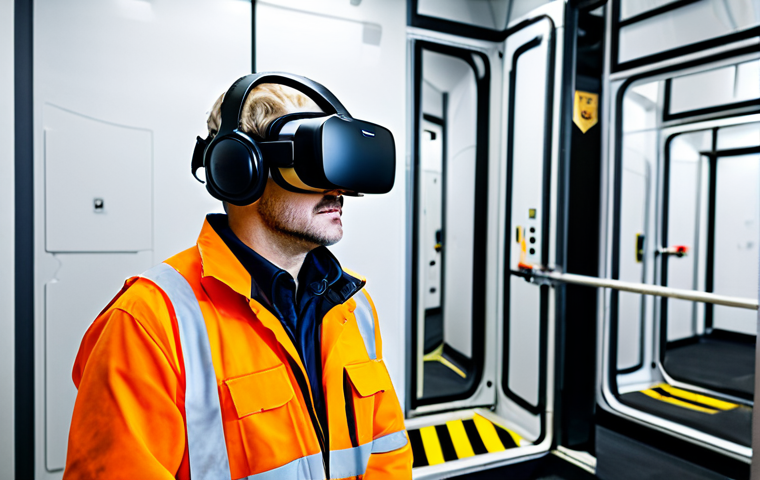
One of the most common causes of industrial accidents is equipment malfunction. Traditional maintenance schedules are often based on time intervals, which may not accurately reflect the actual condition of the equipment. Predictive maintenance, on the other hand, uses sensor data and machine learning to forecast when equipment is likely to fail. This allows maintenance teams to address potential problems before they result in breakdowns or accidents. I recall a case study where a manufacturing plant implemented predictive maintenance on its conveyor belts. By monitoring vibration levels and temperature, they were able to identify a failing bearing weeks before it would have caused a catastrophic failure. This not only prevented a costly accident but also minimized downtime and improved overall productivity. It’s a win-win situation that every company should strive for.
3. Visual Analytics for Enhanced Situational Awareness
Turning raw data into actionable insights is crucial for effective safety management. Visual analytics tools allow us to present complex data in an intuitive and easily understandable format. Heatmaps, for instance, can highlight areas with high accident rates or near-miss incidents, enabling safety managers to focus their efforts on the most critical zones. Interactive dashboards can provide a real-time overview of safety performance, allowing for quick identification of trends and anomalies. I’ve personally seen how visual analytics can empower workers to make better decisions by providing them with clear and concise information about potential hazards. It’s like having a virtual safety officer on the job, constantly monitoring and alerting them to potential risks.
The Role of Robotics in Minimizing Human Exposure to Hazards
1. Automating High-Risk Tasks
Many industrial jobs involve tasks that are inherently dangerous, such as working at heights, handling hazardous materials, or operating heavy machinery in confined spaces. Robotics offers a way to automate these tasks, removing human workers from harm’s way. For instance, in the oil and gas industry, robots are increasingly used to inspect pipelines, reducing the need for human divers to enter dangerous underwater environments. In construction, drones can be used to survey sites and identify potential hazards, minimizing the risk of falls and other accidents. The key is to identify those tasks that pose the greatest risk to workers and then explore how robotics can be used to automate them safely and efficiently. From my experience, this approach not only enhances safety but also improves productivity and reduces costs in the long run.
2. Collaborative Robots (Cobots) for Enhanced Human-Robot Interaction
While fully autonomous robots are ideal for some tasks, collaborative robots, or cobots, are designed to work alongside human workers, assisting them with tasks that are physically demanding or repetitive. Cobots are equipped with sensors and safety features that allow them to operate safely in close proximity to humans, without the need for physical barriers. I remember visiting a factory where cobots were used to assist workers in assembling electronic components. The cobots handled the heavy lifting and repetitive tasks, while the human workers focused on more intricate and delicate operations. This not only reduced the risk of musculoskeletal disorders but also improved the overall quality and efficiency of the work. Cobots are revolutionizing the way we think about human-robot interaction, creating a safer and more collaborative workplace.
3. Remote-Controlled Equipment for Hazardous Environments
In situations where it’s impossible to completely eliminate human exposure to hazards, remote-controlled equipment can provide a valuable alternative. This technology allows workers to operate machinery and perform tasks from a safe distance, minimizing their risk of injury. For example, in mining operations, remote-controlled bulldozers and excavators are used to remove debris and clear pathways in unstable areas. In nuclear power plants, remote-controlled robots are used to inspect and repair equipment in highly radioactive environments. I’ve seen firsthand how remote-controlled equipment can protect workers from life-threatening hazards, allowing them to perform their jobs safely and effectively.
The Power of Wearable Technology in Enhancing Worker Safety
1. Smart PPE for Real-Time Monitoring and Alerting
Personal protective equipment (PPE) has long been a staple of workplace safety, but traditional PPE is often passive, providing protection only after an accident has occurred. Smart PPE, on the other hand, is equipped with sensors and communication technologies that allow for real-time monitoring of worker health and safety. Smart helmets can detect impacts and alert supervisors to potential head injuries. Smart vests can monitor heart rate, body temperature, and exposure to hazardous substances, providing early warnings of fatigue, heat stress, or chemical exposure. I recently spoke with a construction worker who credited his smart helmet with saving his life after he was struck by a falling object. The helmet instantly alerted his supervisor, who was able to get him medical attention within minutes. It’s a testament to the life-saving potential of smart PPE.
2. Exoskeletons for Reducing Physical Strain
Many industrial jobs involve repetitive motions, heavy lifting, or awkward postures that can lead to musculoskeletal disorders (MSDs). Exoskeletons are wearable devices that provide support and assistance to the body, reducing physical strain and preventing injuries. There are two main types of exoskeletons: passive and active. Passive exoskeletons use springs and levers to redistribute weight and reduce muscle fatigue, while active exoskeletons use motors and sensors to provide powered assistance. I’ve witnessed how exoskeletons can significantly reduce the risk of MSDs, allowing workers to perform their jobs more comfortably and safely. It’s an investment in worker well-being that pays dividends in terms of reduced absenteeism, increased productivity, and improved morale.
3. Location Tracking for Improved Emergency Response
In the event of an accident or emergency, knowing the precise location of workers is crucial for providing timely assistance. Wearable technology with location tracking capabilities can help emergency responders quickly locate injured workers, even in large or complex environments. For example, in a manufacturing plant, wearable badges with GPS tracking can be used to pinpoint the location of workers in distress. In a mine, wearable sensors can track the movement of workers underground, ensuring that they are not trapped or lost in the event of a collapse. I’ve seen how location tracking technology can significantly reduce response times and improve the chances of survival in emergency situations. It’s a valuable tool for any organization that prioritizes worker safety.
Cultivating a Safety-First Culture Through Training and Education
1. Immersive Training Simulations for Realistic Hazard Exposure
Traditional safety training often relies on lectures, videos, and written materials, which can be less engaging and effective than hands-on training. Immersive training simulations, such as virtual reality (VR) and augmented reality (AR), provide a more realistic and engaging way to train workers on safety procedures and hazard recognition. VR simulations can recreate hazardous environments, allowing workers to practice responding to emergencies in a safe and controlled setting. AR simulations can overlay digital information onto real-world environments, providing workers with real-time guidance and warnings. I participated in a VR training simulation for confined space entry, and it was far more impactful than any classroom lecture I’ve ever attended. It gave me a visceral understanding of the risks involved and the importance of following proper safety procedures.
2. Gamification for Enhanced Engagement and Knowledge Retention
Gamification is the application of game-design elements and game principles in non-game contexts. In safety training, gamification can be used to make learning more fun, engaging, and effective. For example, workers can earn points or badges for completing safety training modules, answering quizzes correctly, or identifying hazards in the workplace. Leaderboards can be used to foster friendly competition and motivate workers to improve their safety knowledge. I’ve seen how gamification can transform safety training from a chore into an enjoyable and rewarding experience. It’s a great way to boost engagement, improve knowledge retention, and create a more safety-conscious workforce.
3. Continuous Learning and Knowledge Sharing Platforms
Safety is an ongoing process, not a one-time event. To maintain a safety-first culture, organizations need to provide continuous learning opportunities and encourage knowledge sharing among workers. Online learning platforms, mobile apps, and social media groups can be used to deliver safety updates, share best practices, and facilitate discussions. I recently joined a safety forum on LinkedIn, and it’s been a valuable resource for learning about new technologies, industry trends, and real-world case studies. Continuous learning and knowledge sharing are essential for keeping workers informed, engaged, and committed to safety.
The Critical Role of Data Analysis and Reporting
1. Centralized Data Collection and Management Systems
Effective data analysis hinges on the availability of comprehensive and accurate data. A centralized data collection and management system is essential for gathering safety-related information from various sources, such as incident reports, inspection findings, and sensor data. This data should be stored in a secure and accessible database, allowing for easy retrieval and analysis. I’ve seen companies struggle with data analysis because their data was scattered across multiple systems, making it difficult to identify trends and patterns. A centralized system not only streamlines data collection but also ensures data quality and consistency.
2. Key Performance Indicators (KPIs) for Monitoring Safety Performance
Key performance indicators (KPIs) are quantifiable metrics that can be used to track and measure safety performance over time. Common safety KPIs include incident rates, near-miss rates, lost-time injury rates, and safety training completion rates. By monitoring these KPIs, organizations can identify areas where they are performing well and areas where they need to improve. I remember working with a company that had a high incident rate. By analyzing their KPIs, we were able to identify several root causes, such as inadequate training, poor equipment maintenance, and a lack of safety awareness. Once we addressed these issues, their incident rate decreased significantly.
3. Regular Reporting and Communication of Safety Performance
Data analysis is only useful if the results are communicated to the right people in a timely manner. Regular reports should be generated and distributed to managers, supervisors, and workers, providing them with insights into safety performance and highlighting areas for improvement. These reports should be clear, concise, and easy to understand, using visuals and graphics to convey key information. I believe that transparency and open communication are essential for fostering a safety-first culture. When workers are informed about safety performance, they are more likely to take ownership of safety and contribute to a safer workplace.
Investing in Ergonomics and Human Factors Engineering
1. Workplace Design for Optimal Comfort and Safety
The design of the workplace can have a significant impact on worker safety and well-being. Ergonomics and human factors engineering principles should be applied to optimize the layout of workstations, the placement of equipment, and the design of tools and controls. This can help to reduce physical strain, minimize the risk of MSDs, and improve overall comfort and productivity. I’ve seen companies transform their workplaces by implementing ergonomic improvements, such as adjustable workstations, supportive seating, and well-designed tools. The results have been impressive, with workers reporting reduced pain, improved morale, and increased efficiency.
2. Task Analysis for Identifying and Eliminating Hazards
Task analysis is a systematic process for breaking down complex tasks into smaller, more manageable steps. By analyzing each step, it’s possible to identify potential hazards and develop strategies for eliminating or mitigating them. Task analysis can be used to evaluate a wide range of tasks, from operating heavy machinery to performing office work. I recall conducting a task analysis of a manufacturing process and discovering that workers were frequently reaching for tools that were located far away, leading to shoulder strain. By relocating the tools closer to the workers, we were able to eliminate this hazard and reduce the risk of MSDs.
3. User-Centered Design for Intuitive and Safe Equipment Operation
The design of equipment and controls should be intuitive and user-friendly, minimizing the risk of errors and accidents. User-centered design principles should be applied to ensure that equipment is easy to operate, that controls are clearly labeled, and that instructions are easy to understand. I’ve seen how poorly designed equipment can lead to confusion, frustration, and even accidents. By involving workers in the design process and soliciting their feedback, it’s possible to create equipment that is both safe and efficient to use. It’s about putting the user first to ensure safety in operations.
Fostering Mental Well-being for Enhanced Safety Awareness
1. Stress Management Programs for Reduced Distraction
Work-related stress can significantly impact a worker’s ability to focus, make decisions, and react to hazards. Implementing stress management programs, such as mindfulness training, employee assistance programs (EAPs), and flexible work arrangements, can help workers to manage stress and maintain a clear mind. I’ve personally benefited from mindfulness training, which has helped me to stay calm and focused in high-pressure situations. Stress management is not just about improving worker well-being; it’s also about enhancing safety performance.
2. Mental Health Support Services for Addressing Underlying Issues
Mental health issues, such as anxiety, depression, and substance abuse, can also contribute to accidents and injuries in the workplace. Providing access to mental health support services, such as counseling, therapy, and peer support groups, can help workers to address these issues and improve their overall well-being. I believe that mental health is just as important as physical health, and organizations should prioritize both. By creating a supportive and inclusive workplace, we can encourage workers to seek help when they need it and reduce the stigma associated with mental illness.
3. Promoting Work-Life Balance for Reduced Fatigue and Burnout
Work-life balance is essential for maintaining worker well-being and preventing fatigue and burnout. Encouraging workers to take breaks, use their vacation time, and disconnect from work after hours can help them to recharge and return to work feeling refreshed and energized. I’ve seen how companies that prioritize work-life balance have lower rates of absenteeism, higher levels of productivity, and a more engaged workforce. It’s about creating a culture that values well-being and recognizes that workers are more than just their jobs.
| Safety Measure | Description | Benefits |
|---|---|---|
| Real-Time Data Monitoring | Continuous data collection and analysis using sensors and wearable tech. | Proactive hazard identification, reduced accident rates. |
| Predictive Maintenance | Using sensor data to forecast equipment failures. | Prevents breakdowns, minimizes downtime, and reduces costs. |
| Smart PPE | PPE equipped with sensors for real-time monitoring. | Early warnings of hazards, improved emergency response. |
| Exoskeletons | Wearable devices that provide physical support. | Reduces physical strain, prevents MSDs. |
| Immersive Training Simulations | VR and AR simulations for realistic hazard exposure. | Engaging training, improved knowledge retention. |
In Conclusion
Prioritizing safety in the workplace is not just a regulatory requirement, but a moral imperative. By embracing advanced technologies, fostering a safety-first culture, and investing in worker well-being, organizations can create a safer, healthier, and more productive work environment. Remember, the most valuable asset of any company is its people, and their safety should always be the top priority. Let’s commit to building workplaces where everyone can thrive, free from the fear of accidents and injuries.
Useful Information
1. Check the OSHA (Occupational Safety and Health Administration) website for the latest safety regulations and guidelines.
2. Consult with certified safety professionals to conduct risk assessments and develop customized safety programs for your workplace.
3. Implement a regular safety audit program to identify and address potential hazards.
4. Encourage workers to report near-miss incidents to identify and prevent future accidents.
5. Invest in high-quality PPE and ensure that workers are properly trained on its use and maintenance.
Key Takeaways
Prioritize real-time data monitoring and predictive maintenance to proactively address potential hazards.
Invest in robotics and automation to minimize human exposure to dangerous tasks.
Implement wearable technology and smart PPE to enhance worker safety and emergency response.
Cultivate a safety-first culture through immersive training simulations and continuous learning.
Foster mental well-being to enhance safety awareness and reduce stress-related incidents.
Frequently Asked Questions (FAQ) 📖
Q: What are some examples of “innovative technologies” being used to improve workplace safety?
A: I’ve seen companies invest in AI-powered safety goggles that can detect hazards in real-time and alert the wearer. Another interesting one is using drones to inspect high-risk areas, like bridges or power lines, reducing the need for workers to physically climb them.
It’s still pretty new, but wearable sensors that monitor worker fatigue and stress levels are also becoming more common. They trigger alerts if someone is pushing themselves too hard, which is a cool way to prevent accidents related to exhaustion.
Q: Besides PPE, what other “proactive safety measures” can employers implement?
A: Honestly, a big one is just talking to your employees! I’ve seen safety improve dramatically when companies actively solicit feedback from workers on the ground.
They’re the ones who see the hazards daily. Regular safety training programs are a must-have, of course, but making it interactive and relevant is key.
Instead of just reading off a PowerPoint, have them simulate real-life scenarios. Also, a clear and easily accessible system for reporting near-misses is super important.
You want people to feel comfortable reporting potential problems without fear of reprisal. Catching those near misses can prevent actual accidents from happening.
Q: You mentioned “
A: I-powered risk assessment.” How does that actually work in a practical setting? A3: Imagine a construction site. AI can analyze video feeds from security cameras and wearable sensors, looking for things like unsafe worker behavior (not wearing a hard hat, for example) or potential hazards (a loose cable).
It can then generate alerts in real-time to supervisors, who can immediately address the issue. I’ve heard of companies using AI to analyze historical incident data to identify patterns and predict where future accidents are most likely to occur.
Then, they can focus their resources on those high-risk areas. It’s like having a constantly vigilant safety inspector that never gets tired, which is pretty impressive if you ask me.
📚 References
Wikipedia Encyclopedia
구글 검색 결과
구글 검색 결과
구글 검색 결과
구글 검색 결과
구글 검색 결과