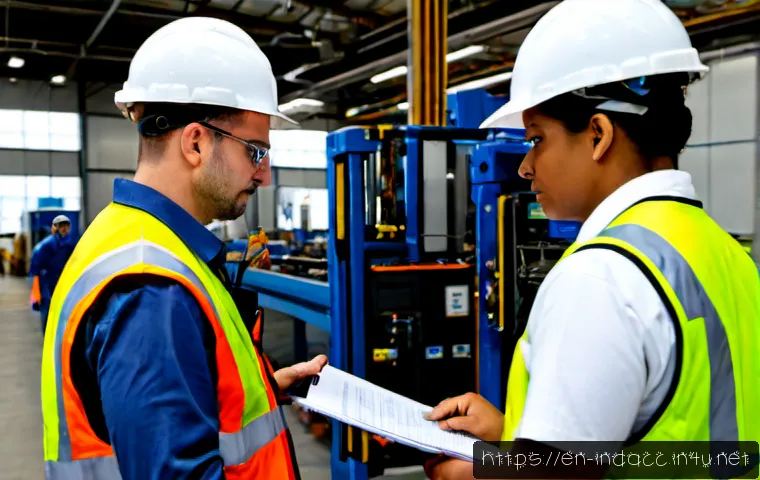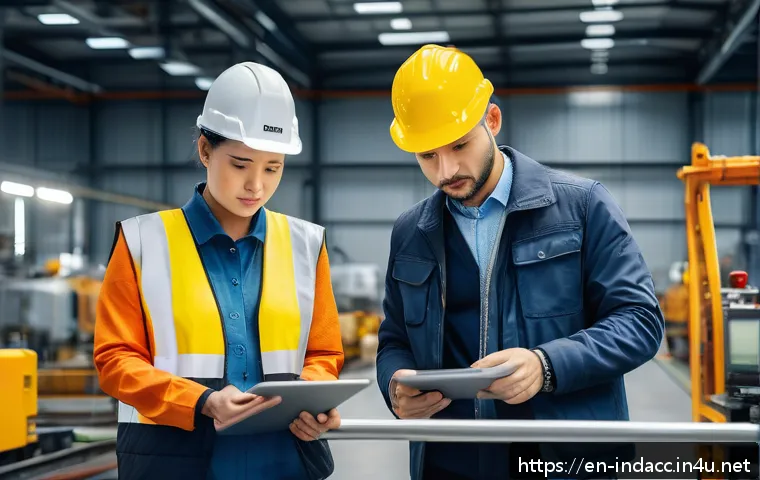
In today’s fast-paced industrial world, understanding the causes behind workplace accidents is more crucial than ever. As safety regulations evolve and technology advances, the role of an industrial accident analyst becomes a key factor in preventing future incidents.
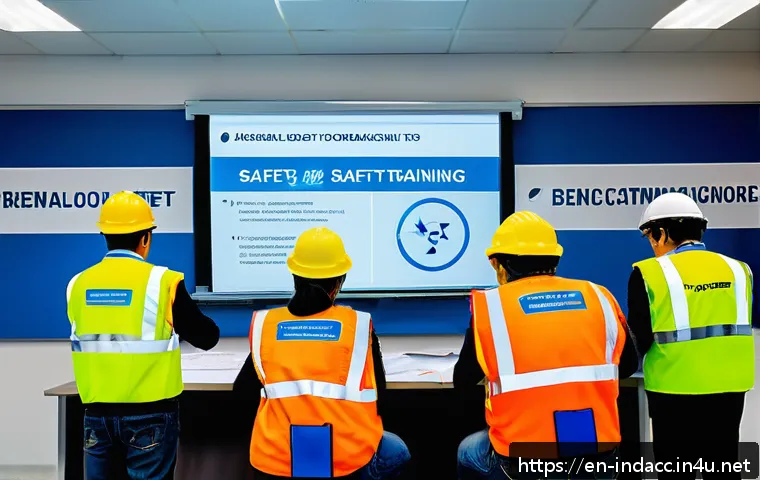
Drawing from real-life experiences, this insight into the daily challenges and discoveries faced by these analysts offers a unique perspective that goes beyond statistics.
Whether you’re involved in workplace safety or simply curious about how accidents are dissected and understood, this deep dive will keep you engaged and informed.
Let’s explore what really happens behind the scenes when analyzing industrial accidents.
Uncovering Hidden Factors Behind Industrial Accidents
Looking Beyond the Obvious Causes
When an industrial accident occurs, the initial explanation often points to straightforward causes like equipment failure or human error. But from my experience working alongside accident analysts, it’s clear that the root causes run much deeper.
For example, a simple slip or machinery malfunction might actually stem from inadequate maintenance schedules, overlooked safety protocols, or even subtle workplace culture issues.
It’s fascinating how these underlying factors intertwine and create a perfect storm. Digging beneath the surface requires patience and a keen eye for detail, as these hidden contributors are rarely documented in official reports.
The Role of Environmental and Psychological Influences
One aspect that’s often underestimated is how environmental conditions and worker psychology play into accident causation. Heat stress, poor lighting, or excessive noise can subtly impair concentration and reaction times.
During one analysis, I noticed a pattern of incidents clustered during peak heat periods, which initially seemed coincidental but later revealed a correlation with increased fatigue and dehydration.
Similarly, mental stress and job dissatisfaction can lower situational awareness, causing lapses in judgment. These insights remind me that accident analysis isn’t just about machines and protocols—it’s also about understanding human factors in their environment.
How Data Collection Transforms Insights
Accident analysts rely heavily on data, but the quality and variety of that data can make or break the investigation. I’ve seen cases where incomplete or biased data led to inaccurate conclusions, causing safety improvements to miss the mark.
Nowadays, the integration of IoT devices and real-time monitoring systems offers richer datasets, from equipment performance to worker biometrics. However, interpreting this flood of information requires skillful filtering and contextual understanding.
It’s a balancing act between trusting technology and applying human judgment to make sense of the numbers.
Challenges in Communicating Findings to Diverse Audiences
Translating Technical Jargon into Actionable Advice
One of the toughest parts of being involved in accident analysis is conveying complex findings in a way that non-experts can understand and act on. I’ve been in meetings where technical reports filled with jargon left managers and workers confused or overwhelmed.
To be effective, analysts must translate technical terms into clear, practical language without losing nuance. For example, instead of saying “mechanical failure due to fatigue,” I might explain it as “wear and tear over time that made the equipment unsafe.” This approach helps bridge the gap between analysis and implementation.
Engaging Stakeholders Across Departments
Industrial safety involves multiple stakeholders—from frontline workers and supervisors to executives and regulators. Getting everyone on the same page can be challenging because each group has different priorities and knowledge levels.
I’ve found that storytelling techniques, like sharing relatable incident scenarios, can make the findings resonate more deeply. Also, involving workers in the investigation process builds trust and encourages openness, which ultimately leads to better safety outcomes.
It’s not just about presenting facts but fostering collaboration.
Overcoming Resistance to Change
Even when the analysis clearly points to necessary changes, resistance is common. Sometimes it’s due to budget constraints or operational disruptions, but often it stems from entrenched habits or skepticism.
I remember working on a case where introducing new safety equipment was met with pushback because workers felt it would slow production. Addressing these concerns requires empathy and demonstrating how safety improvements can actually enhance productivity and protect lives.
Patience and persistence are key to turning analysis into real-world improvements.
Leveraging Technology for Enhanced Accident Analysis
The Rise of Predictive Analytics in Safety Management
Predictive analytics is transforming how industrial accidents are anticipated and prevented. By analyzing historical incident data alongside operational metrics, predictive models can identify high-risk situations before accidents occur.
From my hands-on experience, these tools are powerful but not foolproof—they depend on accurate data input and continuous refinement. I recall a project where predictive alerts helped avert potential equipment failure by flagging abnormal vibration patterns early on.
This proactive approach shifts the focus from reactive investigation to prevention.
Using Drones and Wearables for On-Site Data Gathering
Emerging technologies like drones and wearable sensors have revolutionized how accident sites are examined. Drones can quickly capture detailed images and videos of hazardous areas that might be difficult or unsafe for humans to access.
Wearables track worker movements, heart rates, and exposure to harmful substances in real time. These tools enrich the investigation with precise, objective data that complements eyewitness accounts.
Personally, I’ve seen how drone footage has uncovered overlooked hazards, adding critical context to the analysis.
Challenges in Integrating New Technologies
Despite their advantages, new technologies bring challenges such as data privacy concerns, technical glitches, and the need for specialized skills. For instance, managing the massive amount of data from wearables requires robust storage and analytical capabilities.
Also, ensuring workers consent to monitoring without feeling surveilled is a delicate balance. From what I’ve observed, successful integration depends on clear policies, training, and open communication about the benefits and limitations of these technologies.
Human Factors and Behavioral Insights in Accident Prevention
Understanding Decision-Making Under Pressure
Industrial environments are often high-stress and fast-paced, forcing workers to make split-second decisions. Accident analysts must understand how stress impacts cognitive processes like attention, memory, and risk assessment.
I’ve interviewed workers who admitted that fatigue or distractions led them to take shortcuts unintentionally. Recognizing these behavioral patterns helps analysts recommend interventions such as improved rest breaks or workflow adjustments that reduce cognitive overload.
Building a Culture of Safety Through Behavioral Change
Creating a safety-conscious culture goes beyond rules and signage; it involves shaping behaviors and attitudes. From my experience, initiatives that encourage peer-to-peer accountability and positive reinforcement tend to be more effective than punitive measures.
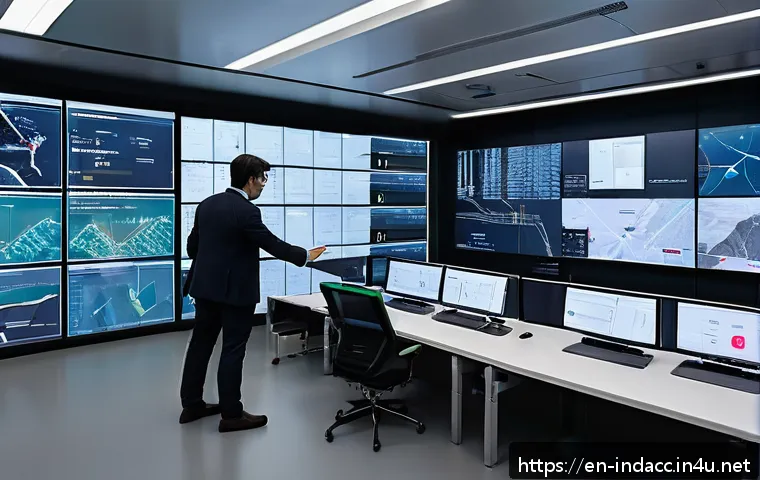
For example, one factory introduced a reward system for near-miss reporting, which significantly increased awareness and proactive risk identification.
This kind of culture shift requires leadership commitment and consistent communication to embed safety as a core value.
The Role of Training in Enhancing Worker Competence
Training programs tailored to real-world scenarios are critical in equipping workers with the skills and awareness needed to avoid accidents. I’ve seen how hands-on simulations and interactive workshops engage employees better than traditional lectures.
Additionally, refresher courses help reinforce safe practices over time. Effective training also addresses varying literacy and language levels among workers to ensure inclusivity.
These educational efforts are a frontline defense in preventing incidents.
Legal and Regulatory Dimensions Impacting Accident Analysis
Navigating Compliance Requirements
Industrial accident analysts must stay well-versed in evolving safety regulations and standards. Compliance is not just a legal obligation but a foundation for credible investigations.
I remember a case where failure to adhere to updated OSHA guidelines complicated the analysis and led to hefty fines. Keeping abreast of these requirements demands ongoing education and collaboration with legal experts to ensure that recommendations align with current laws.
The Influence of Liability and Litigation on Reporting
The threat of legal liability can affect how accidents are reported and investigated. Sometimes, companies hesitate to disclose full details for fear of lawsuits, which can hinder transparency and learning.
From discussions I’ve had with analysts and legal advisors, fostering an environment where honest reporting is encouraged without immediate punitive consequences helps improve safety outcomes.
Balancing openness with legal protection is a delicate but necessary task.
Regulatory Changes Driving Safety Innovation
Interestingly, regulatory updates often serve as catalysts for safety innovation. When new standards raise the bar, companies invest in improved technologies and processes.
For example, stricter emission regulations prompted one facility to overhaul ventilation systems, which incidentally reduced chemical exposure incidents.
Analysts play a key role in identifying gaps and recommending compliance-driven improvements that benefit overall workplace safety.
Practical Insights from Real Accident Investigations
Case Study: Preventing Repeated Machinery Failures
In one investigation I was involved with, repeated failures of a critical conveyor system were causing near-misses. Instead of blaming the operators, the analysis uncovered a design flaw that made the machinery vulnerable to overheating under certain loads.
By collaborating with engineers, we recommended design modifications and operator training that virtually eliminated the problem. This case highlighted the importance of looking beyond surface-level causes to systemic issues.
Lessons Learned from Human Error Incidents
Human error is often cited as a primary cause of accidents, but the context matters greatly. During an analysis of a forklift accident, it became apparent that unclear signage and poor lighting contributed to the operator’s mistake.
Addressing these environmental factors along with refresher training dramatically improved safety. This experience reinforced my belief that blaming individuals without examining contributing factors is unproductive.
Using Incident Reviews to Foster Continuous Improvement
One of the most valuable practices in accident analysis is conducting thorough incident reviews that involve all stakeholders. I’ve seen how regular debriefings not only uncover root causes but also generate ideas for process improvements.
These sessions build a culture of learning rather than blame, encouraging proactive identification of hazards before they result in accidents. Continuous improvement is truly the backbone of effective safety management.
| Aspect | Common Challenges | Effective Strategies |
|---|---|---|
| Data Quality | Incomplete records, biased reporting | Use of IoT devices, cross-verification with eyewitness accounts |
| Communication | Technical jargon, stakeholder misalignment | Plain language summaries, storytelling, inclusive meetings |
| Behavioral Factors | Stress, fatigue, resistance to change | Peer accountability, training, leadership engagement |
| Technology Integration | Privacy concerns, data overload | Clear policies, worker consent, skilled data analysis |
| Regulatory Compliance | Constantly evolving laws, fear of litigation | Ongoing education, legal collaboration, transparent reporting |
Conclusion
Industrial accident analysis reveals much more than immediate causes; it uncovers complex layers involving human behavior, environment, technology, and regulation. Understanding these hidden factors helps create safer workplaces by addressing root issues rather than symptoms. Combining data-driven insights with empathetic communication ensures that safety improvements are both effective and embraced. Ultimately, fostering collaboration and continuous learning transforms accident prevention from reactive to proactive.
Helpful Information to Know
1. Regular maintenance and a strong safety culture are crucial in preventing hidden causes of industrial accidents.
2. Environmental stressors like heat and noise significantly impact worker performance and safety.
3. Advanced technologies such as IoT, drones, and wearables provide richer data but require careful management and privacy considerations.
4. Clear communication tailored to different audiences increases the likelihood of successful safety interventions.
5. Ongoing training and leadership commitment are essential to embed safety as a core value within organizations.
Key Takeaways
Thorough accident analysis demands looking beyond obvious causes to identify systemic issues and human factors. Integrating technology enhances data quality, but its success depends on proper use and ethical considerations. Effective communication and stakeholder engagement bridge the gap between findings and implementation. Finally, compliance with evolving regulations not only ensures legal safety but also drives innovation and continuous improvement in workplace safety practices.
Frequently Asked Questions (FAQ) 📖
Q: What are the most common causes of industrial workplace accidents?
A: From my experience working alongside industrial accident analysts, the top causes often boil down to human error, equipment failure, and inadequate safety training.
For instance, a simple lapse in attention or rushing through a task can lead to serious mishaps. Equipment that isn’t regularly maintained or outdated can malfunction unexpectedly, creating hazardous situations.
Also, when workers aren’t fully trained or updated on new safety protocols, the risk spikes significantly. Understanding these root causes helps analysts recommend targeted improvements that truly make a difference on the shop floor.
Q: How does an industrial accident analyst gather and interpret data after an incident?
A: Analysts usually start by visiting the accident site to collect physical evidence and interview witnesses. I’ve seen firsthand how crucial it is to capture every detail — from the layout of the machinery to the environmental conditions at the time.
They combine this with reviewing maintenance logs, safety records, and even video footage when available. Then comes the real challenge: piecing together all these elements to reconstruct the accident timeline.
It’s almost like detective work, where each clue sheds light on how and why the event happened, allowing for a comprehensive analysis that goes beyond just numbers.
Q: How do industrial accident analysts contribute to preventing future workplace accidents?
A: What stands out to me is how their work directly influences safety policies and training programs. After identifying the accident’s root causes, analysts don’t just stop at reporting — they collaborate with management and safety teams to design practical, actionable solutions.
These might include revising operational procedures, upgrading equipment, or launching refresher training sessions tailored to specific risks. The goal is always to create a safer environment that anticipates potential hazards rather than just reacting to them.
From my perspective, this proactive approach is what truly drives down accident rates over time.