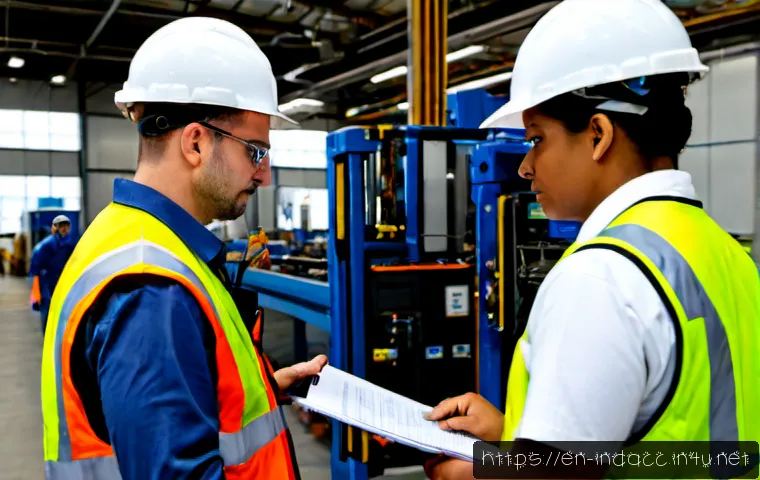
In today’s fast-paced industrial landscape, preventing workplace accidents has never been more critical. With safety regulations evolving and new hazards emerging, mastering industrial accident analysis is key to protecting both employees and operations.
I’ve seen firsthand how effective project management strategies can drastically reduce risks and improve overall safety culture. If you’re looking to dive deep into practical methods that prevent costly incidents before they happen, you’re in the right place.
Let’s explore how thoughtful planning and analysis can transform your workplace into a safer environment for everyone.
Understanding Root Causes Beyond the Surface
Digging Deeper Than Immediate Triggers
When an industrial accident occurs, it’s tempting to stop at the obvious cause—like a slip or a machine malfunction. However, what I’ve found is that these surface triggers often mask deeper systemic issues.
For example, an operator might slip because the floor was wet, but why was the floor wet in the first place? Maybe a leak went unreported, or cleaning protocols were insufficient.
Truly effective accident analysis requires peeling back these layers to uncover organizational, environmental, or procedural weaknesses. This deeper dive can reveal recurring patterns that, if addressed, prevent similar accidents from happening again.
Behavioral and Organizational Factors
It’s not just physical conditions that matter—human factors play a huge role. I’ve seen that worker fatigue, lack of training, or even poor communication can create a domino effect leading to accidents.
Companies often overlook these behavioral aspects, focusing solely on equipment or infrastructure. But in reality, safety culture, employee engagement, and leadership commitment are just as critical.
Recognizing how these elements interact allows managers to design interventions that are proactive rather than reactive, fostering a workplace environment where safety becomes second nature.
Using Data Analytics to Identify Hidden Risks
Incorporating data analytics into accident analysis has been a game changer for many industrial settings I’ve worked with. By tracking incident reports, near misses, and maintenance logs, you can identify trends invisible to the naked eye.
For example, data might reveal that most accidents happen during shift changes or under specific weather conditions. Leveraging this insight enables targeted improvements, like adjusting schedules or enhancing protective gear.
It’s not just about collecting data but interpreting it smartly to make informed decisions that reduce risks before they escalate.
Crafting Effective Communication Channels
Ensuring Clear Reporting Systems
A critical piece I’ve noticed in safer workplaces is the presence of straightforward, user-friendly reporting channels. Employees need to feel comfortable and supported when reporting hazards or near misses without fear of blame or reprisal.
When reporting is complicated or discouraged, many risks go unnoticed until an accident happens. Establishing anonymous reporting options, regular safety briefings, and feedback loops where employees see real changes from their input can dramatically boost engagement and hazard identification.
Bridging the Gap Between Teams and Leadership
From my experience, one of the biggest challenges is aligning frontline workers’ insights with management decisions. Often, leadership is removed from daily operations and may underestimate risks or the practicality of proposed solutions.
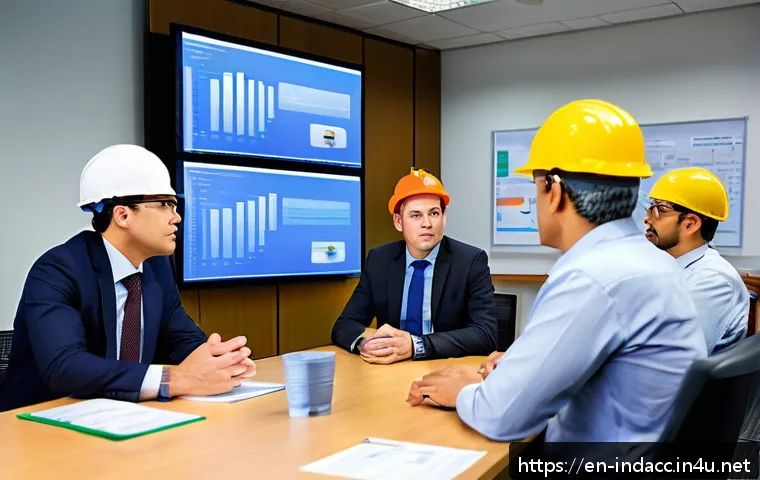
Encouraging open dialogue through regular cross-level meetings and joint safety committees helps bridge this gap. When workers feel heard and leaders understand ground realities, safety initiatives become more relevant and effective.
This two-way communication builds trust and a shared responsibility for accident prevention.
Training as an Ongoing Conversation
Traditional safety training sessions can sometimes feel like checkboxes rather than meaningful education. I’ve seen that turning training into an ongoing, interactive conversation makes a huge difference.
Incorporating real incident case studies, hands-on drills, and scenario-based learning keeps employees engaged and helps internalize safety practices.
Moreover, refresher courses and updates on new hazards keep everyone sharp and aware, creating a dynamic learning environment that adapts to evolving risks.
Leveraging Technology for Real-Time Hazard Monitoring
Wearables and Sensor Integration
Adopting wearable technology has provided frontline workers with an extra layer of protection that wasn’t available before. Devices that monitor vital signs, fatigue levels, or exposure to harmful substances can alert both employees and supervisors to potential dangers in real time.
In one facility I consulted for, implementing wearables reduced heat-related incidents significantly because alerts prompted timely breaks and hydration.
This technology empowers workers to manage their own safety proactively, rather than waiting for an incident to occur.
Automated Safety Systems and Alerts
Automation in safety protocols is becoming indispensable, especially in high-risk industries. Automated shutdown systems, proximity sensors, and intelligent alarms can prevent accidents by reacting faster than human intervention alone.
While technology can’t replace human judgment, integrating these systems as part of a layered safety approach adds a crucial safety net. I’ve noticed that when employees trust these automated systems, they become more confident in their work environment, which indirectly reduces stress-induced errors.
Data Visualization for Safety Insights
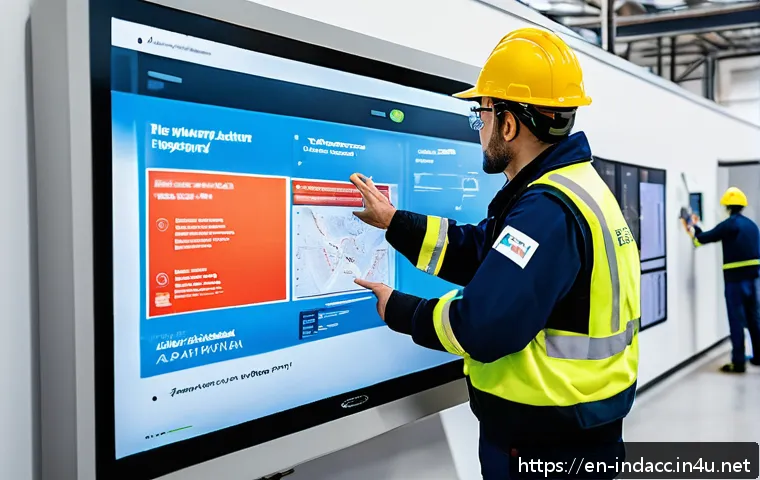
Having raw data isn’t enough unless it’s presented in an understandable way. Interactive dashboards and visual reports help safety managers and workers alike grasp complex safety metrics at a glance.
When I helped implement such tools, it became easier to pinpoint trouble spots and track progress over time. Visualizations also aid in communicating safety performance to stakeholders, making it clear where investments in training, equipment, or process changes are most needed.
Embedding Safety into Daily Workflows
Routine Safety Checks and Accountability
One habit that stands out in accident-free environments is the integration of safety checks into everyday tasks. Instead of viewing safety as an occasional obligation, these workplaces make it part of the workflow—like a quick equipment inspection before starting a job or a pre-shift hazard assessment.
I’ve seen that assigning clear accountability for these checks ensures they’re taken seriously and completed consistently. This habitual vigilance often catches issues before they snowball into accidents.
Empowering Workers with Decision-Making
When employees are empowered to pause work if they detect unsafe conditions, it dramatically improves safety outcomes. I’ve worked with teams where “stop work authority” was embedded into the culture, and it made a noticeable difference.
Workers felt respected and responsible, knowing their safety concerns would be addressed promptly. This empowerment reduces risky shortcuts and encourages proactive problem-solving, creating a more resilient safety ecosystem.
Continuous Improvement Through Feedback
Safety isn’t a one-and-done deal—it requires ongoing refinement. Establishing regular feedback mechanisms where employees can share what’s working and what isn’t helps evolve safety practices.
I’ve observed that organizations treating safety as a continuous improvement process avoid complacency and adapt faster to new challenges. Celebrating successes and learning openly from near misses builds a culture where safety excellence is a shared goal rather than just a mandate.
Analyzing Incident Data to Drive Preventive Actions
Classification and Prioritization of Incidents
Not all incidents carry the same weight, and prioritizing them effectively can guide resource allocation. For instance, a minor slip with no injury might be less urgent than a machine-related accident causing downtime.
By categorizing incidents based on severity, frequency, and potential impact, safety teams can focus on the most critical areas first. I’ve found that prioritization also helps maintain momentum by delivering quick wins and demonstrating measurable improvements.
Trend Analysis and Pattern Recognition
Analyzing incident data over time reveals trends that might otherwise go unnoticed. For example, if a certain type of accident spikes during a particular season or shift, it signals the need for targeted interventions.
Using statistical tools to spot these patterns enables proactive measures rather than reactive firefighting. In one case, recognizing a pattern of electrical accidents led to a redesign of equipment layout and retraining, which cut incidents by more than half.
Developing Actionable Safety Plans
Data-driven insights are only valuable if translated into clear, actionable plans. I’ve noticed that the best safety plans include specific tasks, responsible parties, timelines, and success metrics.
This structure ensures accountability and progress tracking. Involving workers in crafting these plans also boosts buy-in and practical relevance. Regularly reviewing and updating these plans based on ongoing data keeps the safety program dynamic and effective.
Balancing Compliance with Practical Safety Measures
Understanding Regulatory Requirements
Compliance with OSHA and other safety regulations is non-negotiable, but I’ve learned that mere box-checking often falls short of true safety. Understanding the intent behind regulations helps in designing measures that not only satisfy legal requirements but genuinely protect workers.
This deeper comprehension allows for tailoring controls to the specific hazards and operational realities of each workplace, rather than relying on generic solutions.
Customizing Safety Protocols to Fit Operations
Every industrial site has unique workflows and risks. Applying cookie-cutter safety protocols can lead to gaps or inefficiencies. I’ve worked with teams that customized protocols by involving frontline workers who know the daily challenges best.
This customization ensures that safety measures are practical, easy to follow, and effective. The result is higher compliance and safer outcomes because procedures align with actual work conditions.
Going Beyond Compliance for Culture Building
True safety excellence happens when organizations view compliance as a baseline, not an endpoint. Encouraging a mindset where safety is valued beyond regulations fosters continuous improvement and innovation.
I’ve seen companies that invest in safety leadership training, recognize safe behaviors, and promote wellness initiatives build resilient cultures that prevent accidents through shared commitment rather than fear of penalties.
| Aspect | Traditional Approach | Enhanced Strategy |
|---|---|---|
| Incident Investigation | Focus on immediate cause | Root cause analysis including systemic factors |
| Reporting | Complicated, blame-oriented | Simple, anonymous, and supportive |
| Training | One-time sessions | Ongoing, interactive, scenario-based |
| Technology Use | Minimal or none | Wearables, sensors, automated alerts |
| Safety Culture | Compliance-driven | Continuous improvement and empowerment |
In Conclusion
Understanding and addressing the root causes of workplace accidents goes far beyond spotting immediate triggers. By focusing on behavioral, organizational, and technological factors, companies can create safer environments. Effective communication, ongoing training, and data-driven insights are essential to building a culture where safety is ingrained in daily operations. Embracing these strategies helps prevent incidents proactively rather than just reacting to them.
Useful Information to Keep in Mind
1. Root cause analysis uncovers deeper issues beyond surface-level accidents, enabling long-term solutions.
2. Clear and supportive reporting systems encourage hazard identification without fear of blame.
3. Continuous, interactive training helps employees internalize safety practices more effectively than one-time sessions.
4. Integrating technology like wearables and automated alerts provides real-time hazard monitoring and prevention.
5. Safety culture thrives when organizations move beyond mere compliance to foster empowerment and ongoing improvement.
Key Takeaways
Prioritizing safety means digging deeper than immediate causes, considering human and organizational factors alongside physical hazards. Establishing open communication and empowering workers to take action creates a proactive safety culture. Leveraging data and technology enhances risk detection and prevention. Lastly, tailoring safety protocols to fit specific operational needs ensures practical, sustainable improvements rather than checkbox compliance.
Frequently Asked Questions (FAQ) 📖
Q: uestions about Industrial
A: ccident Analysis and Prevention
Q: What are the most effective project management strategies to reduce workplace accidents?
A: From my experience, the key lies in proactive risk assessment combined with clear communication channels. Regular safety audits, involving frontline employees in hazard identification, and integrating safety checkpoints within project timelines make a huge difference.
When teams understand that safety is part of their daily workflow—not just an afterthought—accident rates drop significantly. Also, leveraging technology like real-time monitoring systems helps catch potential issues before they escalate.
Q: How can industrial accident analysis improve the overall safety culture in a company?
A: Accident analysis isn’t just about pinpointing what went wrong; it’s about learning and evolving. When management transparently shares findings and involves employees in creating solutions, it fosters trust and accountability.
I’ve noticed that workplaces where accident data is openly discussed tend to encourage proactive behavior. Employees feel empowered to report hazards without fear, and this collective responsibility builds a stronger, more resilient safety culture.
Q: What practical steps can companies take to prevent costly incidents before they occur?
A: One practical approach is implementing a thorough incident investigation process that goes beyond surface-level causes. Digging into root causes—whether procedural gaps, training deficiencies, or equipment failures—helps tailor targeted interventions.
Additionally, continuous training programs that simulate real-life scenarios keep safety top of mind. From what I’ve seen, combining data-driven insights with hands-on drills dramatically reduces the chance of repeat incidents and minimizes downtime.