In today’s fast-paced industrial world, workplace accidents remain a pressing concern that can disrupt operations and endanger lives. Understanding the root causes behind these incidents is more crucial than ever to create safer environments and prevent costly downtime.
Having personally navigated complex investigations, I’ve seen how methodical approaches can uncover hidden factors that often go unnoticed. This post dives into proven techniques that not only reveal what went wrong but also help build stronger safety cultures moving forward.
If you’re eager to enhance your investigation skills and protect your team, stick around—there’s a lot to learn here.
Identifying Hidden Hazards Through On-Site Observation
Developing a Keen Eye for Unsafe Conditions
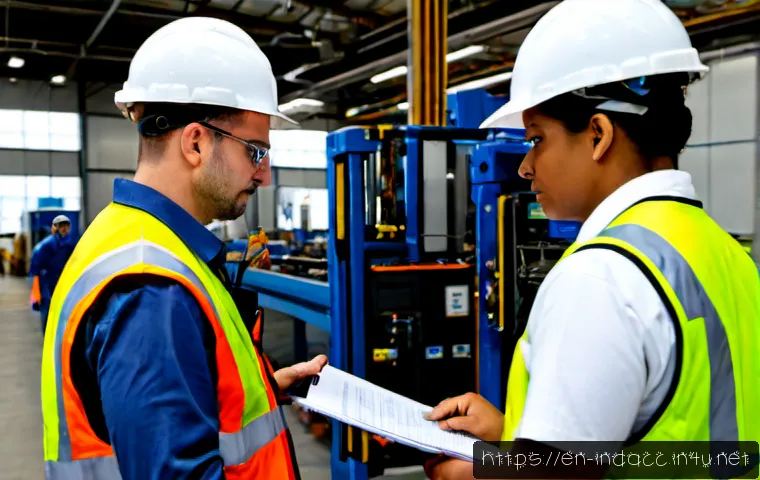
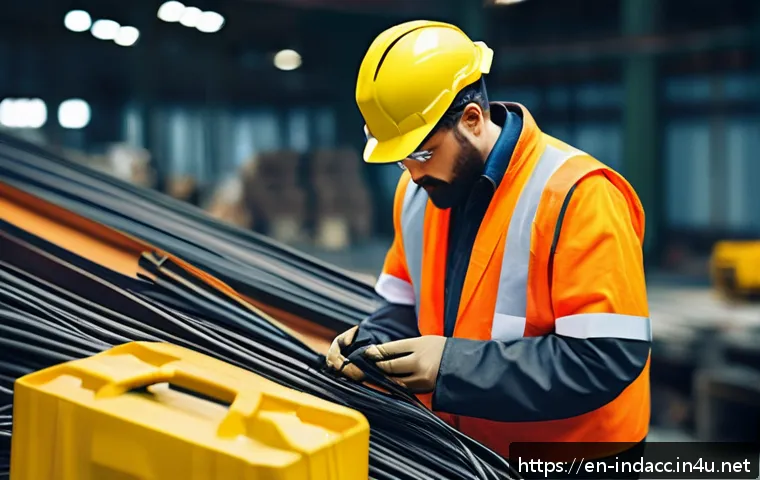
When you’re on the ground investigating an incident, the smallest details can make the biggest difference. I’ve learned that rushing through a scene often means missing those subtle clues—like a worn-out cable or a misplaced tool—that quietly set the stage for accidents.
Taking the time to observe the environment thoroughly, including lighting, floor conditions, and equipment state, reveals hazards that might not be obvious at first glance.
This kind of detailed scrutiny helps prevent jumping to conclusions based solely on surface-level evidence.
Engaging with Workers to Gain Context
Sometimes, the story behind an accident isn’t just about what’s visible but also what people experienced moments before it happened. Talking directly with employees involved or nearby can uncover overlooked risks, such as inconsistent safety practices or pressure to meet unrealistic deadlines.
I’ve found that workers often hold valuable insights that aren’t documented anywhere. Their firsthand accounts can clarify conflicting information and help pinpoint root causes more accurately.
Using Visual Documentation for Deeper Analysis
Capturing the scene with photos and videos is a practice I swear by. Visual evidence not only supports memory but also allows for detailed post-investigation review.
When revisiting footage, you might spot factors like improper machine guards or blocked emergency exits that weren’t apparent during the initial walkthrough.
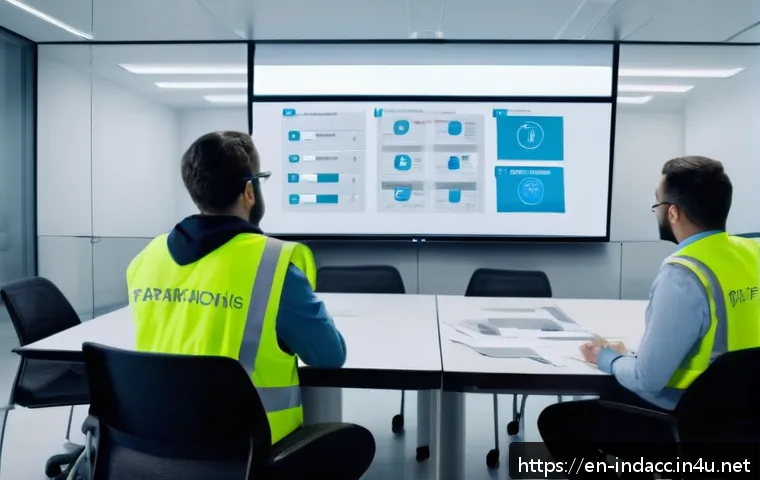
Plus, sharing these visuals with safety teams and management fosters a clearer understanding and promotes more effective corrective actions.
Leveraging Data and Technology to Support Investigations
Incorporating Digital Incident Reports
Modern workplaces increasingly rely on digital systems to log incidents, near misses, and safety observations. I’ve noticed that integrating this data early in investigations streamlines identifying patterns or recurring issues.
For instance, if multiple reports mention slippery floors in a specific area, it signals a systemic problem that needs addressing. Digital records also reduce reliance on memory or paper forms, minimizing errors and delays in gathering facts.
Using Wearable Tech and Sensors
Advanced technology like wearables and environmental sensors provides objective data that can confirm or challenge eyewitness accounts. I’ve seen how devices tracking worker movements or monitoring air quality can expose risks invisible to the naked eye, such as repeated exposure to hazardous fumes or unsafe proximity to moving machinery.
These insights empower safety teams to design targeted interventions rather than guesswork-based solutions.
Analyzing Historical Data for Proactive Prevention
Digging into past incident reports and safety audits helps anticipate future hazards. When I cross-reference current findings with historical trends, patterns emerge—whether it’s a particular shift time prone to errors or a piece of equipment frequently involved in mishaps.
This historical perspective supports building a more resilient safety culture by focusing resources where they’re needed most.
Applying Root Cause Analysis to Uncover Underlying Issues
Distinguishing Between Immediate and Systemic Causes
One mistake I see often is stopping the investigation at the obvious cause, like a slip or equipment failure. But digging deeper reveals underlying systemic issues—such as inadequate training, poor maintenance schedules, or management pressures—that actually drive these incidents.
Root cause analysis frameworks like the “5 Whys” method help peel back layers of symptoms to expose the real problems that, if unaddressed, will lead to repeated accidents.
Collaborating Across Departments for Comprehensive Insights
Accidents rarely result from a single factor, so involving multiple departments—operations, maintenance, HR, and safety—brings diverse perspectives that enrich the analysis.
From my experience, this teamwork uncovers gaps between policies and actual practices, and highlights communication breakdowns that contribute to risks.
It also builds shared ownership of safety improvements, increasing the likelihood they’ll be implemented effectively.
Documenting Findings Clearly and Actionably
Thorough documentation is essential not just for compliance but for driving real change. I always emphasize writing reports that avoid jargon and focus on clear explanations of what went wrong, why it happened, and actionable recommendations.
A well-crafted report becomes a blueprint for preventing future incidents and demonstrates a commitment to continuous improvement, boosting trust among employees and leadership alike.
Designing Effective Corrective Actions and Follow-Up
Prioritizing Interventions Based on Risk and Feasibility
Not all corrective actions carry equal weight or urgency. In my investigations, I prioritize fixes that address high-risk hazards with feasible solutions first.
For example, replacing a faulty guard on a machine takes precedence over recommending long-term training programs, which still remain important but don’t eliminate immediate dangers.
This triage ensures resources are used efficiently and safety gains are visible quickly.
Engaging Employees in Safety Improvements
Sustained safety culture hinges on active employee involvement. I’ve found that when workers participate in designing and implementing corrective actions, they’re more likely to embrace changes and maintain vigilance.

This might mean forming safety committees or holding workshops where teams brainstorm practical solutions based on their daily experiences. Engagement transforms safety from a top-down mandate into a shared responsibility.
Tracking Progress and Adjusting Strategies
An effective follow-up process includes monitoring how well corrective actions reduce risks over time. From personal experience, regular audits and feedback sessions identify whether interventions are working or need tweaking.
This iterative approach prevents complacency and signals to everyone that safety is a dynamic priority requiring ongoing attention.
Understanding Human Factors and Behavioral Influences
Recognizing the Role of Stress and Fatigue
Human error often links closely with workplace conditions like stress, fatigue, and distractions. I recall investigating a case where workers rushing to meet tight deadlines made risky shortcuts, leading to a serious injury.
Addressing these human factors by adjusting workloads or providing rest breaks can dramatically reduce incidents. It’s not just about rules but supporting people’s well-being.
Promoting a No-Blame Culture to Encourage Reporting
Fear of punishment often suppresses honest incident reporting, which hinders learning. Creating a no-blame culture where employees feel safe sharing mistakes and near misses is critical.
I’ve seen how this openness uncovers hidden hazards earlier and fosters collective problem-solving rather than finger-pointing.
Training for Behavioral Safety Awareness
Behavioral safety programs that focus on awareness and decision-making empower employees to recognize and avoid risky actions. I’ve witnessed firsthand how regular training sessions that include real-life scenarios resonate more deeply than generic lectures.
When people understand the “why” behind safety rules, they’re more motivated to comply consistently.
Utilizing Visual Tools and Mapping for Incident Reconstruction
Creating Detailed Scene Diagrams
Drawing or digitally mapping the accident scene helps visualize the sequence of events and spatial relationships between hazards. In one investigation, reconstructing the layout revealed that a safety sign was obscured by new equipment placement, a detail easily missed without a diagram.
These visuals provide clarity to all stakeholders involved.
Employing Video Replay and Simulation
Using video footage or computer simulations can reconstruct incidents in a way that’s easy to analyze and communicate. I’ve found that replaying scenarios slows down complex actions, allowing teams to identify exactly where errors occurred and how they could have been avoided.
Simulations also serve as powerful training tools afterward.
Combining Visual Aids with Data for Holistic Understanding
Integrating visual maps with sensor data, witness statements, and equipment logs creates a comprehensive picture of the incident. This multi-dimensional approach uncovers relationships that single data points alone wouldn’t reveal, enabling more precise recommendations.
| Investigation Technique | Key Benefits | Common Challenges |
|---|---|---|
| On-Site Observation | Detects overlooked hazards; captures environmental context | Time-consuming; risk of observer bias |
| Worker Interviews | Gathers firsthand insights; reveals procedural gaps | Reluctance to share; memory inaccuracies |
| Digital Data Analysis | Identifies trends; supports objective conclusions | Data overload; requires tech skills |
| Root Cause Analysis | Uncovers systemic issues; guides effective solutions | May be too theoretical; needs cross-team input |
| Behavioral Safety Training | Improves awareness; reduces human errors | Needs ongoing reinforcement; variable engagement |
| Visual Reconstruction | Clarifies incident sequence; aids communication | Resource-intensive; dependent on quality of visuals |
In Closing
Thorough incident investigations are crucial for uncovering hidden hazards and preventing future accidents. Combining keen observation, technology, and collaboration strengthens safety outcomes. By focusing on root causes and engaging all stakeholders, organizations can foster a proactive safety culture. Continuous learning and adaptation remain key to lasting improvements.
Helpful Information to Remember
1. Always take time to observe the environment carefully; subtle details often reveal critical hazards.
2. Engage directly with workers to gain insights that aren’t captured in reports or documents.
3. Leverage digital tools and wearable technology to supplement your investigation with objective data.
4. Use root cause analysis methods to identify systemic issues beyond immediate causes.
5. Involve employees in corrective actions and maintain regular follow-ups to ensure effectiveness.
Key Takeaways
Effective incident investigations require a balance of detailed on-site observation, open communication with employees, and the use of technology to gather comprehensive data. Identifying not just the immediate causes but also the underlying systemic problems ensures corrective actions address real risks. Collaboration across departments and fostering a culture of transparency and continuous improvement are essential to sustainable workplace safety.
Frequently Asked Questions (FAQ) 📖
Q: What are the most common root causes of workplace accidents?
A: From my experience, the most frequent root causes tend to be human error, inadequate training, and poor communication. Sometimes, equipment failure or lack of proper maintenance plays a big role too.
It’s rarely just one factor; usually, a combination creates the perfect storm. Understanding these helps you target prevention efforts effectively.
Q: How can I improve my accident investigation skills to find hidden factors?
A: The key is being methodical and open-minded. Start by gathering all the facts—interview witnesses, review equipment logs, and inspect the scene thoroughly.
Don’t jump to conclusions based on initial impressions. Use tools like root cause analysis or the “5 Whys” technique to dig deeper. Over time, you’ll learn to spot patterns that others might miss.
Q: What practical steps can help build a stronger safety culture after an accident?
A: In my experience, transparency and communication are vital. Share investigation findings openly with your team and involve them in creating solutions.
Provide ongoing training and encourage reporting of near-misses without fear of blame. When employees see management’s genuine commitment to safety, they become more engaged and proactive in preventing future incidents.