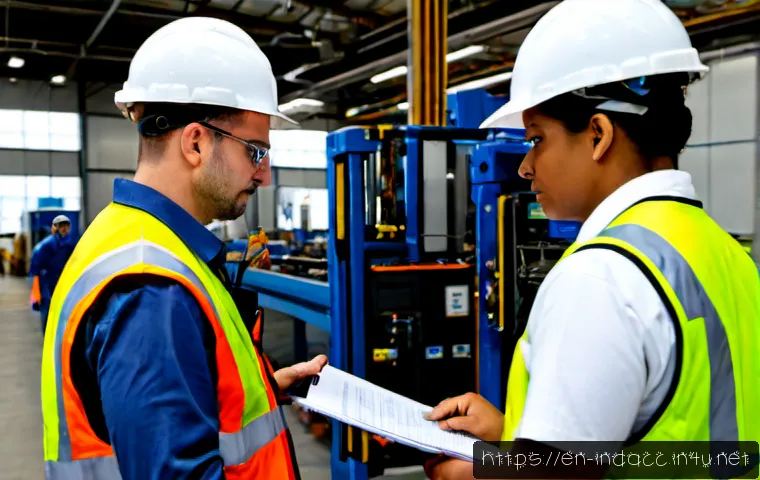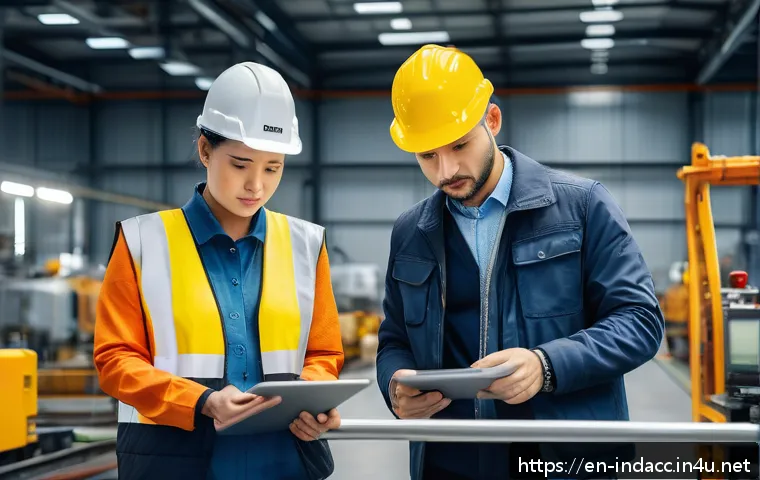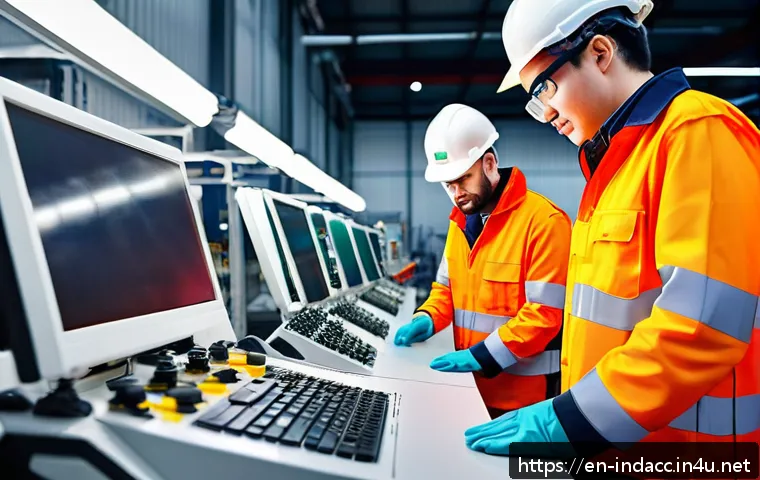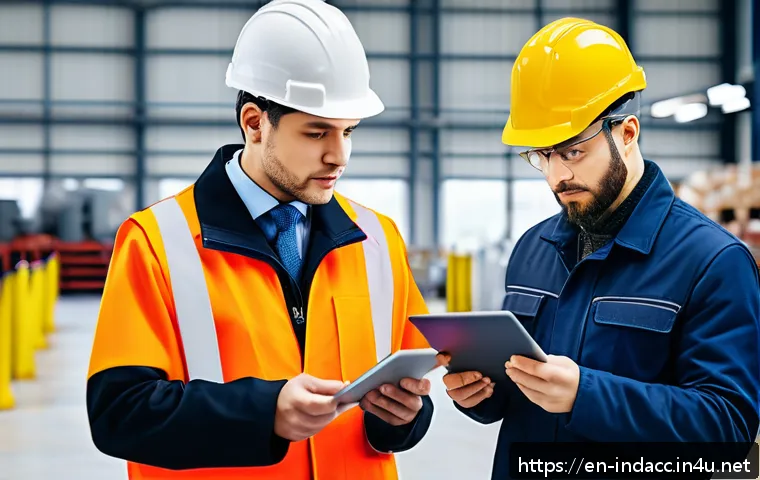
Workplace accidents can be devastating, leading to injuries, financial strain, and emotional distress. Understanding the root causes of these incidents and implementing effective solutions is crucial for creating a safer work environment.
From slips and falls to equipment malfunctions, each accident presents unique challenges and requires tailored preventive measures. The ever-evolving landscape of workplace safety, influenced by new technologies and changing regulations, demands a proactive approach to risk management.
Modern solutions leverage data analytics and predictive modeling to anticipate potential hazards and improve safety protocols. Let’s dive in and explore this topic in greater detail below!
Tackling the Peril of Slips, Trips, and Falls
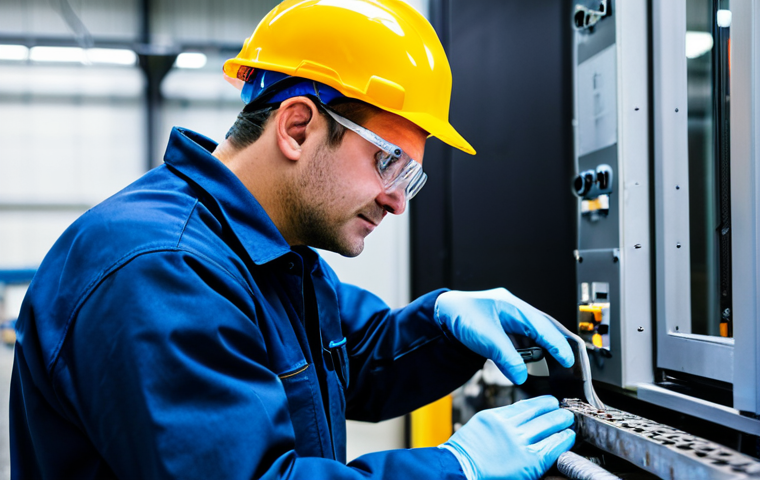
Slips, trips, and falls might seem like minor mishaps, but they’re a major contributor to workplace injuries. I remember once, while consulting at a bustling distribution center, I saw firsthand how easily these accidents can happen.
A worker rushing to meet a deadline didn’t notice a small spill, lost his footing, and ended up with a fractured wrist. It was a stark reminder that even seemingly insignificant hazards can have serious consequences.
Addressing this issue requires a multi-pronged approach focusing on hazard identification, prevention, and training. Companies need to rigorously assess their premises for potential slip and trip hazards, like uneven surfaces, spills, and inadequate lighting.
Implementing Effective Housekeeping Practices
Effective housekeeping is fundamental. Regularly cleaning up spills, promptly removing debris, and maintaining clear walkways can drastically reduce the risk of accidents.
For instance, providing easily accessible spill kits and training employees on how to use them can make a huge difference. I’ve seen companies implement a “clean as you go” policy, where employees are responsible for cleaning up any messes they make immediately.
This simple measure fosters a culture of cleanliness and significantly lowers the chances of slips and falls.
Investing in Proper Footwear and Anti-Slip Surfaces
The type of footwear employees wear also plays a crucial role. Employers should consider mandating or recommending slip-resistant shoes, especially in environments where spills are common.
Furthermore, investing in anti-slip mats and coatings for floors in high-risk areas can provide additional traction and reduce the likelihood of falls.
During a visit to a food processing plant, I noticed they had installed textured flooring in areas prone to moisture. The difference in grip was immediately noticeable and undoubtedly contributed to a safer working environment.
Enhancing Visibility and Lighting
Another often overlooked aspect is visibility. Ensuring adequate lighting throughout the workplace is essential for spotting potential hazards. Dark or poorly lit areas can obscure spills, uneven surfaces, or obstacles, increasing the risk of accidents.
Regularly inspect lighting fixtures and replace bulbs promptly. Additionally, using reflective tape to highlight edges and steps can further improve visibility and prevent trips.
Managing Risks Associated with Equipment Malfunctions
Equipment malfunctions are a serious concern in many workplaces, potentially leading to severe injuries. Think about a construction site with heavy machinery or a factory floor with complex automated systems.
A single malfunction can trigger a chain reaction, resulting in devastating consequences. Preventing these incidents necessitates a robust maintenance program and comprehensive training for all equipment operators.
Establishing a Regular Maintenance Schedule
Preventive maintenance is key. Regularly inspecting and servicing equipment can identify potential problems before they escalate into full-blown malfunctions.
Developing a detailed maintenance schedule, tailored to each piece of equipment, and adhering to it diligently is crucial. I once worked with a manufacturing company that implemented a computerized maintenance management system (CMMS).
This system tracked maintenance schedules, generated work orders, and provided valuable data on equipment performance. As a result, they saw a significant decrease in equipment-related accidents.
Providing Thorough Training for Equipment Operators
Training is equally important. All employees who operate equipment should receive thorough training on its safe operation, maintenance, and troubleshooting.
This training should include hands-on practice and regular refresher courses. During an audit of a lumber mill, I discovered that some employees were operating machinery without proper training.
This was a major red flag and posed a significant risk to their safety. Implementing a comprehensive training program immediately improved the situation.
Implementing Lockout/Tagout Procedures
Lockout/tagout procedures are also essential. These procedures ensure that equipment is properly shut down and de-energized before any maintenance or repairs are performed.
This prevents accidental start-ups that can cause serious injuries. I’ve seen firsthand how effective lockout/tagout procedures can be in preventing accidents.
One time, a maintenance worker was repairing a conveyor belt when another employee unknowingly turned it on. Fortunately, the maintenance worker had followed lockout/tagout procedures, and no one was injured.
Addressing the Dangers of Hazardous Materials
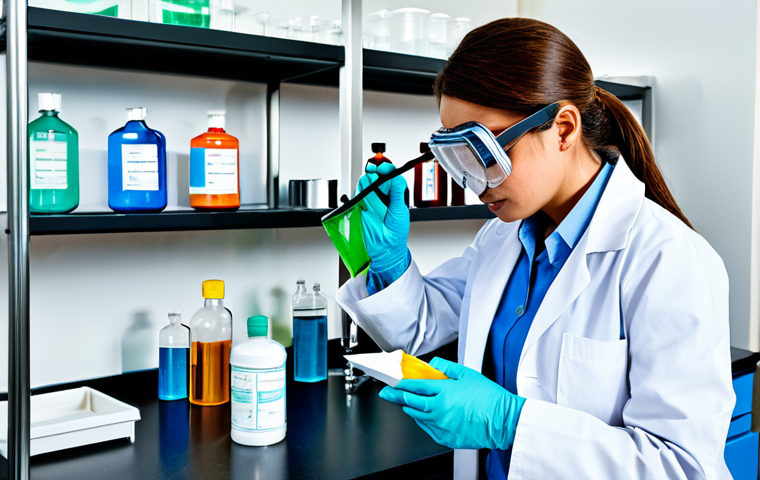
Working with hazardous materials is an inherent risk in many industries. From chemical plants to laboratories, employees are exposed to substances that can cause serious health problems if not handled properly.
Minimizing these risks requires strict adherence to safety protocols, proper training, and the use of appropriate personal protective equipment (PPE).
Ensuring Proper Labeling and Storage of Hazardous Materials
Accurate labeling and proper storage are crucial. All containers of hazardous materials should be clearly labeled with the name of the substance, its hazards, and the necessary precautions.
Storing these materials in designated areas, away from incompatible substances, is also essential. I once visited a warehouse where hazardous materials were stored haphazardly, with no clear labeling or separation.
It was a recipe for disaster. Implementing a clear labeling and storage system significantly reduced the risk of accidents.
Providing Comprehensive Training on Handling Hazardous Materials
Training is paramount. Employees who work with hazardous materials should receive comprehensive training on their properties, hazards, and safe handling procedures.
This training should include how to read safety data sheets (SDS), use PPE, and respond to spills or leaks. I’ve seen companies use interactive simulations to train employees on how to handle hazardous materials.
This approach is highly effective because it allows employees to practice safe handling procedures in a safe and controlled environment.
Enforcing the Use of Personal Protective Equipment (PPE)
PPE is the last line of defense. Employees should always wear the appropriate PPE when handling hazardous materials. This may include gloves, respirators, eye protection, and protective clothing.
Regularly inspecting and maintaining PPE is also crucial to ensure its effectiveness. During a safety inspection of a paint factory, I found that many employees were not wearing the proper PPE.
Addressing this issue and enforcing the use of PPE immediately improved the safety of the workplace.
Promoting Ergonomics to Prevent Musculoskeletal Disorders
Musculoskeletal disorders (MSDs), such as carpal tunnel syndrome and back pain, are a common problem in many workplaces. These disorders are often caused by repetitive motions, awkward postures, and heavy lifting.
Implementing ergonomic solutions can significantly reduce the risk of MSDs and improve employee comfort and productivity.
Conducting Ergonomic Assessments of Workstations
Ergonomic assessments are the first step. Evaluating workstations to identify potential risk factors, such as improper chair height, poorly positioned monitors, and awkward reaching distances, is essential.
I once conducted an ergonomic assessment of an office and found that many employees were working with their monitors too low, causing them to strain their necks.
Adjusting the monitor height immediately improved their comfort.
Providing Ergonomic Training and Education
Training and education are also crucial. Employees should be trained on proper posture, lifting techniques, and how to adjust their workstations to fit their needs.
This training should be ongoing and reinforced regularly. I’ve seen companies offer workshops on ergonomics, where employees can learn about the principles of ergonomics and how to apply them in their daily work.
Encouraging Regular Breaks and Stretching
Regular breaks and stretching are essential for preventing MSDs. Encouraging employees to take short breaks throughout the day to stretch and move around can help reduce muscle fatigue and improve circulation.
I’ve seen companies implement “stretch breaks,” where employees take a few minutes every hour to perform simple stretches. This simple practice can make a big difference in preventing MSDs.
| Hazard | Prevention Strategies | Control Measures |
|---|---|---|
| Slips, Trips, and Falls | Housekeeping, proper footwear, lighting | Spill kits, anti-slip surfaces, regular inspections |
| Equipment Malfunctions | Maintenance, training, lockout/tagout | CMMS, hands-on training, documented procedures |
| Hazardous Materials | Labeling, storage, training, PPE | SDS, designated storage areas, respirators, gloves |
| Musculoskeletal Disorders | Ergonomic assessments, training, breaks | Adjustable workstations, workshops, stretch breaks |
Enhancing Safety Through Comprehensive Training Programs
Effective training is the cornerstone of any successful safety program. It equips employees with the knowledge and skills they need to identify hazards, follow safety procedures, and respond to emergencies.
A well-designed training program should be comprehensive, engaging, and tailored to the specific needs of the workplace.
Developing Customized Training Modules
Generic training programs often fall short. Developing customized training modules that address the specific hazards and risks of the workplace is essential.
These modules should be interactive, engaging, and easy to understand. I’ve seen companies use virtual reality simulations to train employees on how to respond to different emergency scenarios.
This approach is highly effective because it allows employees to practice their skills in a safe and controlled environment.
Conducting Regular Refresher Courses
Initial training is not enough. Regular refresher courses are necessary to reinforce safety knowledge and keep employees up-to-date on the latest safety procedures.
These courses should be interactive and provide opportunities for employees to ask questions and share their experiences. I’ve seen companies use “toolbox talks” to conduct short, informal safety briefings on a regular basis.
These talks are a great way to reinforce safety messages and address any emerging safety concerns.
Documenting Training and Tracking Employee Progress
Proper documentation is crucial. Maintaining accurate records of all training activities and tracking employee progress is essential for demonstrating compliance with safety regulations and identifying areas where additional training is needed.
I’ve seen companies use learning management systems (LMS) to track employee training and generate reports on training completion rates. This helps them ensure that all employees have received the necessary training.
Fostering a Culture of Safety through Employee Engagement
A culture of safety is one where safety is valued at all levels of the organization and where employees are actively involved in identifying and addressing safety concerns.
Fostering this culture requires strong leadership, open communication, and employee engagement.
Encouraging Employee Participation in Safety Committees
Employee involvement is key. Encouraging employees to participate in safety committees and other safety initiatives can help foster a sense of ownership and responsibility for safety.
These committees can provide a forum for employees to share their ideas, identify hazards, and develop solutions. I’ve seen companies empower safety committees to conduct safety inspections and make recommendations for improving safety.
This gives employees a voice in safety matters and helps create a more collaborative and proactive safety culture.
Implementing a System for Reporting Hazards and Near Misses
Open communication is essential. Implementing a system for reporting hazards and near misses can help identify potential problems before they lead to accidents.
This system should be easy to use and encourage employees to report any safety concerns without fear of reprisal. I’ve seen companies use online reporting systems that allow employees to anonymously report hazards and near misses.
This helps create a more open and transparent safety culture.
Recognizing and Rewarding Safe Behavior
Positive reinforcement is crucial. Recognizing and rewarding employees for safe behavior can help reinforce the importance of safety and encourage others to follow suit.
This can be as simple as giving employees verbal praise for following safety procedures or as formal as implementing a safety incentive program. I’ve seen companies give out small gifts or awards to employees who have gone above and beyond to promote safety.
This helps create a more positive and engaging safety culture. Tackling workplace safety head-on isn’t just about ticking boxes; it’s about creating an environment where everyone feels valued and protected.
From sidestepping slip-and-fall hazards to mastering the intricacies of hazardous material handling, every precaution we take adds up to a safer, more productive workplace.
So, let’s commit to these practices not just as rules to follow, but as a pledge to look out for ourselves and each other.
Wrapping Up
By prioritizing hazard prevention, investing in training, and fostering a culture of safety, businesses can significantly reduce the risk of workplace accidents and injuries. These efforts not only protect employees but also improve productivity and reduce costs associated with accidents. Remember, a safe workplace is a productive workplace.
Good to Know
1. Consider using a mobile app for safety checklists to ensure consistency and thoroughness in inspections.
2. Invest in ergonomic office furniture to prevent long-term strain and improve employee well-being.
3. Partner with a local safety consultant to conduct regular audits and identify areas for improvement.
4. Implement a peer-to-peer safety observation program to encourage a culture of vigilance and mutual support.
5. Participate in industry-specific safety conferences and workshops to stay updated on best practices and regulations.
Key Takeaways
Hazard Identification and Prevention: Conduct regular risk assessments to identify and mitigate potential hazards in the workplace.
Comprehensive Training Programs: Invest in customized training modules that address the specific hazards and risks of your industry and workplace.
Ergonomic Solutions: Implement ergonomic solutions to prevent musculoskeletal disorders, such as adjusting workstations and providing ergonomic training.
Employee Engagement: Foster a culture of safety by encouraging employee participation in safety committees and implementing a system for reporting hazards and near misses.
Personal Protective Equipment (PPE): Ensure that all employees have access to and properly use the appropriate personal protective equipment for their job tasks.
Frequently Asked Questions (FAQ) 📖
Q: What are some common causes of workplace accidents, and how can they be prevented?
A: Oh man, where do I even begin? I’ve seen it all, especially when I was doing construction. Slips, trips, and falls are huge – think wet floors, bad lighting, or just clutter everywhere.
Prevention? Make sure those floors are dry, light things up properly, and for Pete’s sake, clean up your mess! Then you’ve got equipment malfunctions.
I’ll never forget when a forklift almost tipped because it hadn’t been serviced in ages. Regular maintenance is key. And finally, don’t underestimate the human factor.
Tired workers make mistakes. Enforce breaks and reasonable hours. Trust me, a well-rested crew is a safe crew.
Q: How can companies leverage new technologies to improve workplace safety?
A: This is where things get interesting! I recently saw a demo of this AI-powered system that uses cameras to detect unsafe behavior in real time – like not wearing a hard hat or standing too close to heavy machinery.
It sends alerts immediately. Crazy, right? Then there’s predictive analytics.
Companies can analyze past accident data to identify patterns and potential hazards before they even happen. Like, if a certain machine has a history of breakdowns on Mondays, schedule extra maintenance on Sundays.
And don’t forget virtual reality for safety training! I hear you can simulate dangerous situations in a safe environment, which sounds way better than learning the hard way.
Q: What’s the best way to foster a strong safety culture within a company?
A: Okay, this one’s close to my heart. I always say safety starts at the top. If management doesn’t take it seriously, nobody else will.
They need to walk the walk, not just talk the talk. Regular safety meetings are a must, but make them engaging! No one wants to sit through a boring lecture.
Share real-life stories, encourage open discussion, and always acknowledge and reward safe behavior. Remember, it’s about creating an environment where everyone feels comfortable speaking up about potential hazards without fear of reprisal.
Oh, and one more thing, make sure safety training is ongoing, not just a one-time thing. The world is constantly changing, so your safety practices need to adapt too.
📚 References
Wikipedia Encyclopedia
구글 검색 결과
구글 검색 결과
구글 검색 결과
구글 검색 결과
구글 검색 결과