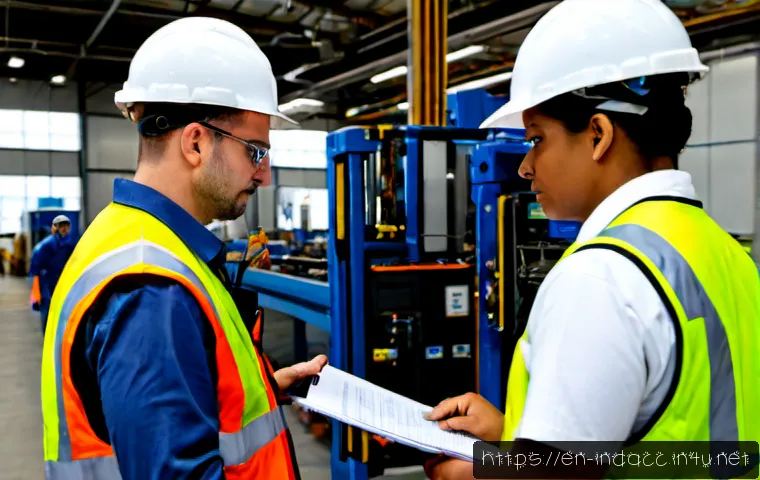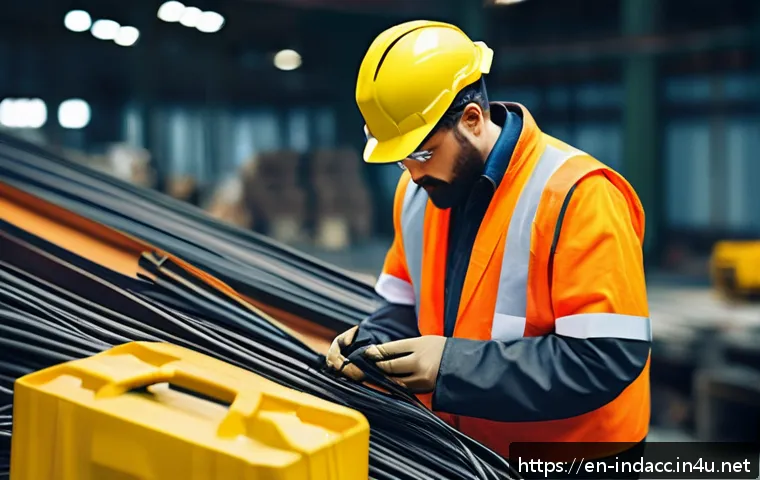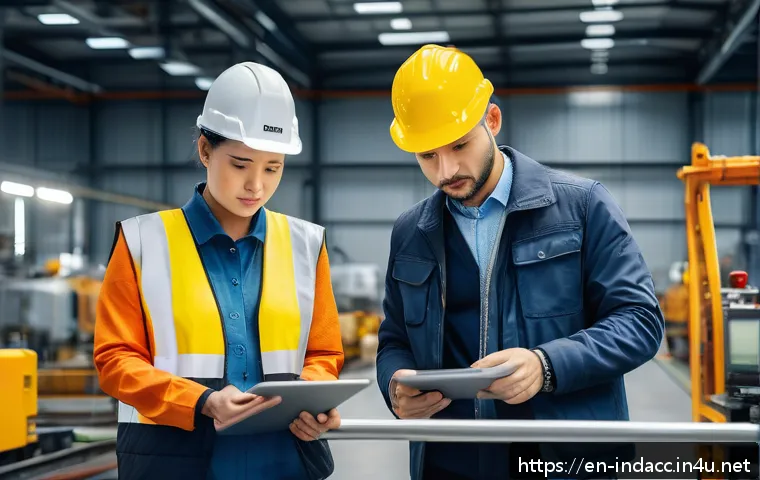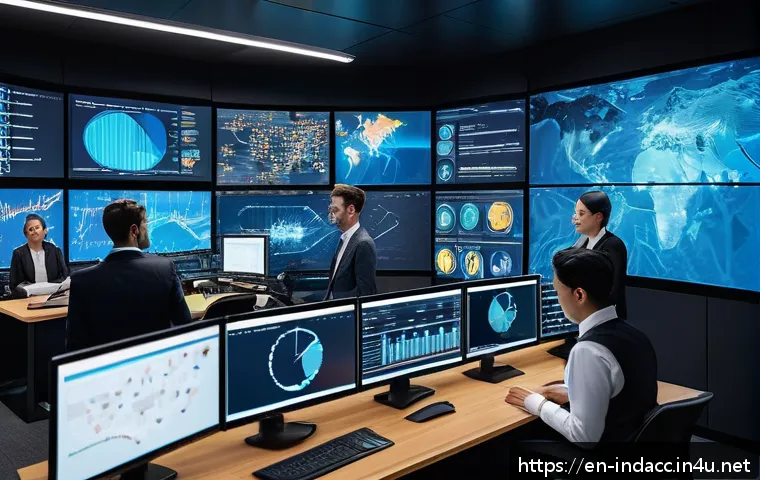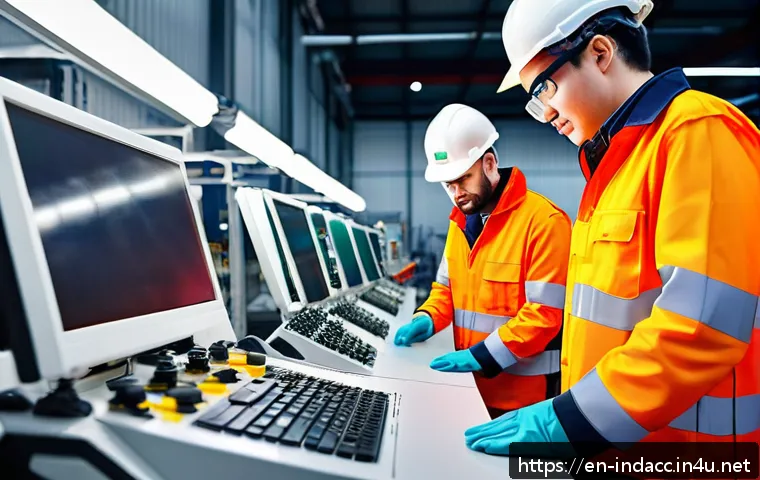
Hey there, safety champions! Let’s talk about something that truly matters in every workplace, from the busiest factory floor to the quietest office space: keeping everyone safe.
We all know that a safe environment isn’t just a nice-to-have; it’s the absolute bedrock for happy employees, smooth operations, and ultimately, a thriving business.
But in today’s fast-paced world, simply doing the bare minimum isn’t enough anymore. The game has changed, and frankly, relying on outdated paper checklists just won’t cut it when we’re facing ever-evolving risks and increasingly complex machinery.
I’ve been seeing a huge shift lately, and it’s exciting! We’re moving away from just reacting to accidents and embracing a truly proactive, forward-thinking approach to industrial safety.
Think smart tech, data-driven insights, and a genuine focus on every single person’s well-being. It’s about leveraging incredible tools like AI-powered monitoring, wearable devices, and even drones to spot potential hazards before they even become an issue, protecting our teams like never before.
From ensuring our personal protective equipment (PPE) fits perfectly to tackling those often-overlooked ergonomic challenges, modern safety goes so much deeper than just a quick walkthrough.
It’s about making safety an integral part of our daily rhythm, creating a culture where everyone feels empowered and protected, and frankly, making sure we all get to go home safe at the end of the day.
You might be wondering, with all these advancements, what exactly should we be looking for during those critical routine inspections? How can we make sure we’re not missing a beat, especially with all the new regulations and technologies coming our way in 2025?
Well, you’re in the right place! Let’s dive deeper into this below and get you fully up to speed on the essential regular inspection items you absolutely need to nail for industrial accident prevention.
Embracing the Tech Revolution in Safety Checks
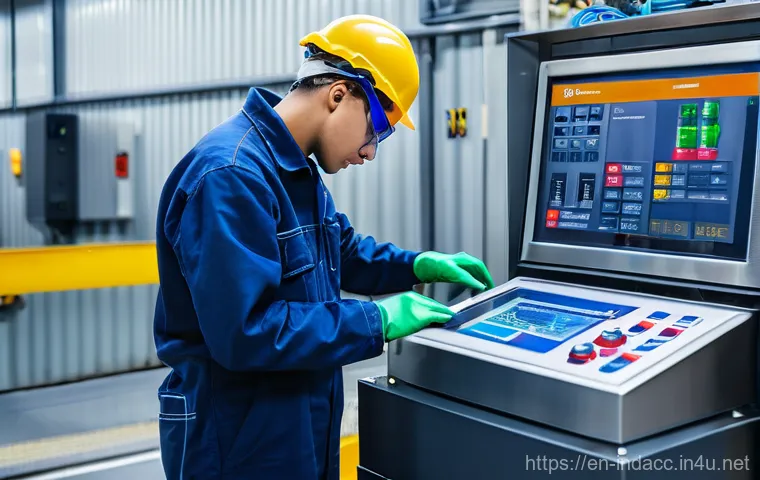
You know, for years, it felt like industrial safety was stuck in a time warp. We’d go through the motions, dutifully ticking boxes on paper forms, and then wonder why accidents still happened. But what I’ve personally witnessed, especially over the last couple of years, is an incredible transformation. It’s no longer about just looking; it’s about *seeing* with new eyes, powered by technology. When I talk about modern safety inspections, I’m thinking about how we can leverage incredible tools that weren’t even on our radar a decade ago. It’s about getting real-time data, predictive insights, and creating a truly dynamic safety environment. Relying solely on a clipboard and a flashlight just isn’t cutting it anymore when we have sophisticated AI and IoT solutions that can literally anticipate problems before they escalate. It’s a game-changer for reducing human error and boosting overall operational efficiency.
Leveraging AI and IoT for Predictive Insights
This is where it gets really exciting. Imagine systems that constantly monitor machinery, environmental conditions, and even human behavior, learning patterns and flagging anomalies *before* they lead to an incident. I’ve seen facilities use AI-powered cameras that detect if someone is too close to a hazard zone without proper PPE, or if a machine is vibrating excessively, signaling a potential malfunction. It’s not about Big Brother; it’s about big data making us all safer. IoT sensors can track everything from air quality and temperature fluctuations to the structural integrity of critical assets. My experience tells me that these predictive capabilities are revolutionizing how we schedule maintenance and conduct inspections, moving us from reactive fixes to proactive prevention. It’s a far more intelligent approach to risk management, wouldn’t you agree?
The Power of Wearables and Smart PPE
Speaking of smart tech, let’s talk about what our teams are actually wearing. Forget those bulky, uncomfortable safety glasses of old. Today, we’re seeing advancements in wearable tech that are genuinely astounding. Smart helmets with built-in sensors can detect impacts or even monitor a worker’s heart rate in extreme conditions. Smart vests can alert supervisors if a worker falls or is incapacitated. And the evolution of PPE? It’s not just about compliance anymore; it’s about enhanced protection and comfort. I’ve heard stories of smart gloves that can detect harmful chemicals or provide haptic feedback to prevent repetitive strain injuries. These innovations are creating a new layer of personal safety, giving workers immediate protection and giving safety managers invaluable real-time data. It’s about empowering individuals and ensuring everyone goes home safe and sound.
Beyond the Basics: Deep Diving into Machine Safeguarding
Okay, so we’ve got the fancy tech, but let’s not forget the fundamentals that save lives daily: machine safeguarding. This isn’t just a regulatory checkbox; it’s the absolute core of preventing horrific accidents. I’ve walked through countless factory floors, and what consistently stands out to me is the crucial need for vigilance around moving parts, pinch points, and energy sources. It’s easy to become complacent, especially with equipment that’s been running smoothly for years, but that’s precisely when risks can creep in. My personal philosophy? Treat every machine as if it has the potential to cause harm, and you’ll always be one step ahead. It’s about ensuring that guards are not just present but are effective and properly maintained, that emergency stop buttons are accessible and functional, and that every single operator understands the true power of the machinery they’re interacting with.
Ensuring Proper Lockout/Tagout Procedures
This one is non-negotiable, folks. Lockout/Tagout (LOTO) procedures are the golden rule for preventing unexpected startup or release of stored energy during maintenance or servicing. I’ve personally trained teams on LOTO, and what I emphasize is that it’s not just a set of steps; it’s a profound commitment to human life. During inspections, we need to go beyond just checking if locks and tags are available. We need to verify that procedures are clear, machine-specific, and, most importantly, *followed to the letter*. Are energy isolation points clearly identified? Are workers properly trained and authorized? Are annual audits being conducted to ensure compliance and effectiveness? My experience has shown me that any shortcuts here can lead to devastating consequences, so let’s be absolutely ruthless in our LOTO inspections.
Inspecting for Critical Component Integrity
Think about the gears, belts, chains, hydraulics, and electrical systems that power your operations. Each one is a critical link in the safety chain. A worn belt, a leaking hydraulic line, a frayed electrical cable – these aren’t minor issues; they’re ticking time bombs. During inspections, it’s not enough to just glance at these components. We need thorough, detailed checks. Are there signs of excessive wear and tear? Is there proper lubrication? Are electrical panels secured and free from unauthorized access or debris? I’ve seen how often seemingly small issues can escalate into major failures, and typically, it was something that could have been spotted during a routine, but diligent, inspection. This is where a keen eye and deep understanding of machine operation truly make a difference.
Cultivating a Proactive Culture: More Than Just Checklists
You know, I’ve always said that safety isn’t just a department; it’s a mindset. We can have all the best tech and the most stringent procedures in the world, but if the culture isn’t there to support it, it’s all for naught. What really moves the needle, in my opinion, is empowering every single person on the team to be a safety champion. It’s about fostering an environment where speaking up isn’t just allowed, it’s celebrated. This isn’t just about avoiding accidents; it’s about creating a workplace where everyone feels valued, respected, and genuinely cared for. Inspections should be seen as opportunities for continuous improvement and learning, not just fault-finding exercises. That shift in perspective can make all the difference, trust me.
Empowering Employee-Led Safety Observations
I’ve seen the incredible impact when employees aren’t just recipients of safety rules but active participants in their creation and enforcement. Encouraging worker-led safety observations, where individuals are empowered to identify potential hazards, report near misses, and suggest improvements, is absolutely invaluable. Who knows the quirks of a specific workstation better than the person who operates it eight hours a day? My advice? Create easy-to-use reporting systems, whether it’s a simple app or a well-placed suggestion box, and make sure every single report is taken seriously and acted upon. The sense of ownership this creates is profound, and it massively boosts engagement and trust.
Continuous Training and Skill Refreshers
Safety isn’t a “one and done” training session. Regulations change, technology evolves, and human memory fades. That’s why continuous training and regular skill refreshers are so incredibly vital. Are your team members up-to-date on the latest safety protocols for new equipment? Do they remember the correct lifting techniques? Have they practiced emergency evacuation drills recently? What I’ve found is that incorporating practical, hands-on training that mimics real-world scenarios is far more effective than just sitting through a PowerPoint presentation. These refreshers keep safety top-of-mind and ensure that critical knowledge is ingrained, making safe practices second nature.
Ergonomics: The Silent Killer We Can Prevent
Okay, let’s talk about something that often flies under the radar but can be incredibly debilitating: ergonomics. We tend to focus on the big, dramatic accidents, but the truth is, many industrial injuries are cumulative, slowly developing over time due to poor posture, repetitive motions, or awkward lifting. These aren’t typically headline-grabbing incidents, but they lead to chronic pain, lost workdays, and significant costs to businesses and individuals alike. I’ve personally experienced the discomfort of a poorly set up workstation, and believe me, it impacts everything from productivity to morale. A robust safety inspection program absolutely needs to include a keen eye for ergonomic risks, moving beyond just the obvious hazards.
Assessing Workstation Design and Movement Patterns
During an ergonomic inspection, it’s about observing how people actually work, not just how we *think* they work. Are tools easily within reach? Is heavy lifting minimized or supported by mechanical aids? Are workers forced into awkward postures to perform tasks? What I’ve found effective is to literally shadow workers, asking them about discomfort, pain points, and ideas for improvement. This might involve looking at things like the height of conveyor belts, the design of assembly lines, or even the type of chairs used in control rooms. Small adjustments can often make a huge difference in preventing musculoskeletal disorders, making employees more comfortable and productive.
Implementing Solutions for Musculoskeletal Health
Once we identify ergonomic risks, the next step is to implement effective solutions. This could range from simple adjustments like providing adjustable workstations and anti-fatigue mats to more complex engineering controls, such as redesigning a process to eliminate repetitive motions. I’m a huge advocate for early intervention. If a worker reports even minor discomfort, investigate it immediately. Providing ergonomic training on proper body mechanics and lifting techniques is also crucial. It’s about creating an environment where the physical demands of the job are minimized, allowing our workforce to stay healthy and injury-free for the long haul.
Environmental Factors: Air Quality, Noise, and Illumination
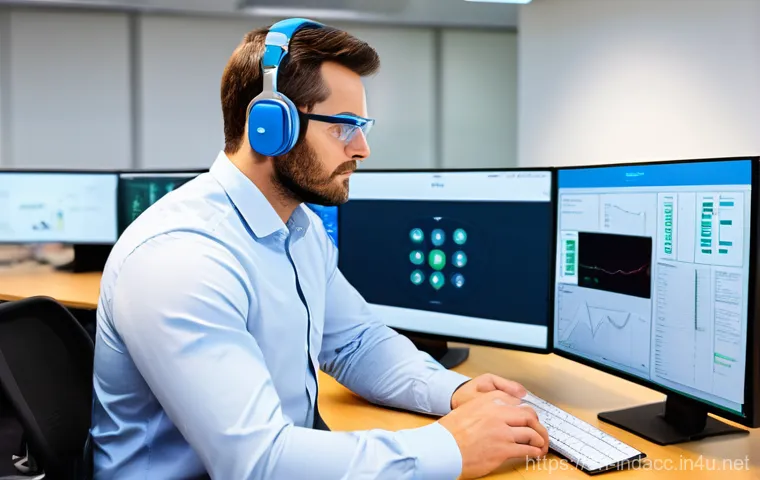
Beyond the machinery and the people, the environment itself plays a colossal role in industrial safety. We often overlook the air we breathe, the sounds we hear, and the light we work under, but these elements can significantly impact health, concentration, and ultimately, accident rates. My experience has taught me that a comprehensive safety program must meticulously evaluate these less tangible, yet critically important, environmental factors. Poor air quality can lead to respiratory issues, excessive noise can cause hearing loss and distraction, and inadequate lighting can lead to missteps and errors. It’s about creating a holistic safe space.
Monitoring Indoor Air Quality and Ventilation Systems
Are your employees breathing clean air? This isn’t just a comfort issue; it’s a major health and safety concern. During inspections, we need to verify that ventilation systems are operating efficiently, that dust, fumes, and chemical vapors are properly extracted, and that air filters are regularly maintained. I’ve seen industries where poor ventilation led to chronic health problems for workers, which is absolutely unacceptable. Testing for specific airborne contaminants, especially in areas where chemicals or dust are prevalent, is a vital step. Let’s ensure our ventilation systems are not just functional, but truly effective in protecting lung health.
Managing Noise Levels and Adequate Lighting
Noise pollution and inadequate lighting are often silent culprits in industrial accidents. Constant loud noise can lead to hearing loss over time and can make it difficult for workers to hear warnings or communicate effectively, increasing the risk of incidents. Similarly, dimly lit areas can obscure hazards, lead to eye strain, and contribute to falls or collisions. My advice is to regularly measure noise levels and assess illumination. Where noise is unavoidable, ensure proper hearing protection is provided and used. For lighting, check for uniform distribution, eliminate glare, and ensure emergency lighting systems are fully functional. A well-lit, acoustically controlled environment is a safer, more productive one.
Emergency Preparedness: Are We Truly Ready?
It’s an uncomfortable thought, but we absolutely *must* plan for the worst. No matter how robust our prevention strategies are, emergencies can and sometimes do happen. And in those critical moments, preparation isn’t just an advantage; it’s a lifeline. My experience in safety has repeatedly shown me that the difference between a minor incident and a full-blown catastrophe often boils down to how well-prepared a team is to react. This means going beyond just having a plan on paper; it means regular drills, accessible equipment, and clear communication channels. We have to ask ourselves: when seconds count, are we ready?
Evaluating Evacuation Routes and Emergency Exits
This might seem obvious, but you’d be surprised. During inspections, I literally walk every evacuation route. Are they clearly marked? Are they free from obstructions? Are emergency exits unlocked, easily operable, and clearly signed? What about assembly points – are they safe and far enough from the building? I’ve seen blocked fire exits and poorly lit pathways in my time, and it sends shivers down my spine. This isn’t just about compliance; it’s about ensuring that in a panic-stricken situation, everyone knows exactly where to go and can get there safely. Regular walkthroughs and simulated evacuations are critical for identifying bottlenecks and ensuring everyone knows the drill.
Checking First Aid Stations and Emergency Equipment
When an accident happens, immediate access to first aid and emergency equipment can be life-saving. During your inspections, meticulously check all first aid stations: are they fully stocked, clearly labeled, and easily accessible? Are the contents within their expiry dates? What about eyewash stations and emergency showers – are they functioning, with clear water flow, and free from obstructions? Is your fire suppression equipment, including extinguishers, regularly inspected and tagged? My motto is: if it’s there for an emergency, it *must* be ready. This requires systematic checks, proper maintenance, and ensuring that all team members know the location and proper use of this vital equipment.
Hazard Communication: Clear Labels, Clear Minds
Let’s be honest, workplaces are full of chemicals, substances, and materials that can be hazardous if not handled correctly. And for too long, understanding these risks felt like deciphering ancient hieroglyphs. But with modern hazard communication standards, we have a clear, universal language designed to keep everyone safe. It’s about ensuring that every single person who comes into contact with a hazardous substance knows exactly what they’re dealing with, how to handle it, and what to do in case of an emergency. This isn’t just about following rules; it’s about empowering knowledge and preventing accidental exposures that can have long-lasting health impacts.
Verifying Chemical Labeling and SDS Accessibility
This is a critical area during inspections. Every container of a hazardous chemical must be clearly and correctly labeled with information like pictograms, hazard statements, and precautionary statements. Are these labels legible and securely attached? Beyond the labels, are Safety Data Sheets (SDS) readily accessible to all employees? I’ve found that having an electronic system for SDS access, perhaps via a QR code or a centralized digital library, can be incredibly efficient and user-friendly. It’s about ensuring that detailed hazard information is literally at workers’ fingertips when they need it most, preventing confusion and potential missteps.
Training on Material Handling and Spill Response
Having labels and SDSs is great, but it’s only half the battle. Workers need to be thoroughly trained on the safe handling of all hazardous materials they encounter. Do they understand the risks associated with mixing certain chemicals? Do they know the correct PPE to wear? And what about spill response? My experience tells me that panic can set in during a spill, leading to incorrect actions that worsen the situation. Regular training on spill containment procedures, the use of spill kits, and emergency contact protocols is absolutely essential. It’s about instilling confidence and competence, ensuring that every person knows exactly what to do to protect themselves and their colleagues should the worst happen.
To help you keep track of these essential checks and how modern approaches integrate with traditional safety, I’ve put together a quick overview:
| Inspection Area | Traditional Approach | Modern Integration / Focus (2025+) |
|---|---|---|
| Machine Guarding | Visual check, manual function test | AI vision for real-time guard integrity, sensor-based interlocks |
| Lockout/Tagout (LOTO) | Paper checklists, physical tag verification | Digital LOTO systems, biometric access control for energy sources |
| Ergonomics | Observation, self-reporting | Wearable sensors for posture, AI analysis of movement patterns |
| Environmental Factors | Scheduled air/noise tests | IoT sensors for continuous air quality, smart noise monitoring |
| Emergency Preparedness | Drills, equipment checks | Smart building systems for evacuation, drone-based hazard assessment |
| Hazard Communication | Physical SDS binders, label checks | Digital SDS access (QR codes), smart labels with real-time updates |
Wrapping Things Up
Phew, what a journey we’ve had through the dynamic world of industrial safety! It’s truly amazing to see how far we’ve come, blending time-tested principles with cutting-edge technology. My hope is that this deep dive has given you a fresh perspective, making you feel more empowered and equipped to champion safety in your own environment. Remember, it’s not just about ticking boxes; it’s about fostering a culture where every single person feels safe, valued, and plays an active role in preventing incidents. Let’s keep pushing the boundaries, learning from each other, and making every workplace a beacon of safety and well-being.
Handy Tips You’ll Want to Bookmark
Alright, before you go, I wanted to share a few extra nuggets of wisdom that I’ve picked up over the years. These aren’t just theoretical ideas; they’re practical insights that I’ve seen make a tangible difference in creating safer, more efficient workplaces. Keep these in your back pocket as you continue your journey toward operational excellence and unparalleled safety.
1. Embrace “See Something, Say Something” as a Core Value: This isn’t just a catchy phrase; it’s the bedrock of a proactive safety culture. Encourage everyone, from the newest hire to the seasoned veteran, to report near misses, identify potential hazards, and offer suggestions without fear of reprisal. Create easy, anonymous reporting channels and, crucially, act on the feedback promptly. I’ve witnessed how empowering employees to be active observers can uncover hidden risks that formal inspections might miss, transforming every team member into an invaluable pair of eyes and ears on the ground. It fosters a collective sense of ownership and responsibility, which, in my experience, is far more effective than top-down mandates alone.
2. Regularly Review Your Incident Reporting
3. Invest in Continuous, Hands-On Training: Safety isn’t a “set it and forget it” kind of deal. Technology evolves, processes change, and refreshers are always beneficial. Go beyond annual online modules. Incorporate practical, hands-on training that mimics real-world scenarios. For example, if you introduce new machinery, provide extensive practical training. If there’s a specific hazard, conduct a drill. I’ve found that when people physically *do* the actions, rather than just hear about them, the knowledge sticks. This experiential learning builds confidence, reinforces best practices, and ensures that when an emergency strikes, the right actions are second nature, reducing panic and improving outcomes significantly.
4. Champion Ergonomics from Day One: Don’t wait for injuries to occur before you address ergonomic risks. Be proactive! Assess workstations, tools, and repetitive tasks for potential strain or discomfort. Involve employees in the assessment process – they’re the ones experiencing the work environment daily. Small changes, like adjustable chairs, anti-fatigue mats, or properly positioned monitors, can make a monumental difference in preventing musculoskeletal disorders (MSDs) and boosting morale. My personal take? Prioritizing employee comfort and long-term health sends a clear message that you truly care, fostering loyalty and a more engaged workforce that feels valued.
5. Integrate Safety into Every Meeting’s Agenda: Make safety a standing item, even if it’s just for five minutes, at every team meeting, from daily huddles to executive briefings. This consistently reinforces its importance and keeps it top of mind for everyone. Ask for a quick safety update, discuss a recent near-miss, or share a safety success story. By weaving safety into the fabric of your daily operations, you demonstrate that it’s not an afterthought or an inconvenience, but a fundamental aspect of how you do business. This simple act can profoundly influence the organizational culture, making safety an intrinsic part of everyone’s responsibility, not just a department’s.
Key Takeaways to Keep in Mind
As we close this chapter on enhancing safety inspections, let’s distill the core messages that I truly believe will empower you to make a difference. First and foremost, embrace the exciting fusion of traditional safety wisdom with cutting-edge technology like AI and IoT. These tools aren’t here to replace human judgment but to augment it, offering predictive insights and real-time monitoring that were once unimaginable. Second, remember that safety is fundamentally about people and culture. No amount of tech can compensate for a disengaged workforce or a lack of genuine care. Cultivate an environment where proactive communication, continuous learning, and mutual respect are paramount. Finally, never underestimate the power of thoroughness in even the most basic checks, from machine guarding and LOTO to ergonomics and emergency preparedness. It’s this holistic, detail-oriented, and people-centric approach that truly elevates safety from a compliance exercise to a cornerstone of operational excellence and human well-being.
Frequently Asked Questions (FAQ) 📖
Q: How can smart technology like
A: I and wearables truly enhance our regular safety inspections beyond just traditional checklists? A1: That’s a fantastic question, and it’s where I’ve seen some of the most exciting transformations happening!
Honestly, relying solely on a clipboard and a paper checklist in today’s industrial environment feels a bit like trying to navigate with a paper map when you have GPS.
Smart tech, especially AI and wearables, brings a whole new layer of insight and proactive capability to our inspections. Think about it this way: AI-powered monitoring systems can continuously analyze video feeds or sensor data from the factory floor.
They’re not just passively recording; they’re actively looking for anomalies. I’ve personally seen systems that can detect if a worker is entering a restricted zone without proper PPE, or if a machine guard is open when it shouldn’t be, instantly flagging it.
This means we’re catching potential hazards before an incident occurs, rather than just marking a box after the fact. It’s like having an extra pair of incredibly sharp, tireless eyes on everything, all the time.
And wearables? Oh, they’re game-changers. I remember working on a site where fatigue was a real concern for operators on long shifts.
With smart wearables, we started monitoring things like heart rate, movement patterns, and even environmental factors. If a worker’s biometric data showed signs of extreme fatigue or stress, or if they were exposed to a sudden temperature spike, we’d get an alert.
It allowed supervisors to intervene, offer a break, or check on the conditions, transforming a reactive approach (dealing with a dizzy spell or heat exhaustion after it happened) into a truly preventative one.
Plus, for things like confined space entry, a small, connected device can monitor air quality and alert both the worker and the supervisor if conditions become unsafe.
It’s about turning data into immediate, actionable safety intelligence, which is something a traditional checklist, as thorough as it might be, just can’t do.
It makes our inspections less about ticking boxes and more about a living, breathing, real-time assessment of safety.
Q: With all these new advancements, what are some of the often-overlooked but critical inspection items we absolutely need to prioritize in 2025 to prevent accidents?
A: Ah, the “hidden gems” of safety inspections! This is where you really start to separate the good from the great in safety programs. While we’re all rightfully focused on machine guarding and emergency exits, the landscape of risk is evolving.
In 2025, I’d urge everyone to dive deeper into these often-overlooked areas:First off, ergonomics of the modern workstation and task flow. With increasing automation, people are often interacting with complex interfaces or performing highly specialized, repetitive tasks.
It’s no longer just about lifting heavy boxes. I once visited a high-tech assembly plant where employees were developing severe wrist strain from precise, repetitive movements with light tools.
Our inspections need to go beyond just the physical setup to evaluate the flow of work, the frequency of tasks, and the cognitive load on employees. Are adjustable desks actually being used?
Are there regular micro-breaks encouraged for screen time? Does the layout minimize awkward postures? These might seem minor, but they significantly impact long-term health and, consequently, productivity and accident rates.
Secondly, cybersecurity for operational technology (OT) and safety systems. This might sound like an IT problem, but trust me, it’s a massive safety concern.
Many modern safety systems—from fire suppression to automated emergency shutdowns—are now networked. A cyber-attack isn’t just about data theft; it could compromise safety controls, leading to catastrophic physical accidents.
During inspections, are we checking the integrity and security protocols of these connected safety systems? Are they isolated from less secure networks?
When I talk to IT and operations teams, I always push them to collaborate here, because a breach in this area could disable critical safeguards. And finally, mental health and psychological safety indicators.
This isn’t a traditional “inspection item,” but it absolutely needs to be a part of our safety culture. High stress, burnout, and a lack of psychological safety (where employees fear speaking up about concerns) can directly lead to human error and accidents.
Are we inspecting the “health” of our communication channels? Is there a clear, non-punitive process for reporting near misses and safety concerns? Are leaders genuinely listening and acting on feedback?
I’ve found that a workplace where people feel safe to speak up about a faulty machine is also a workplace where they feel safe to speak up about their well-being.
It’s about building trust, which, in my experience, is the ultimate safety net.
Q: It sounds great, but how do we actually implement a truly proactive safety culture during inspections, ensuring everyone buys in and uses these new tools effectively?
A: This is the million-dollar question, isn’t it? Because having all the fancy tech in the world won’t make a difference if your team isn’t on board. What I’ve seen work best comes down to three key pillars: Empowerment, Education, and Engagement.
First, Empowerment. You need to shift from a top-down “we tell you what to do” approach to one where every single employee feels they own a piece of safety.
Instead of just supervisors conducting inspections, train teams to inspect their own work areas. Give them access to the digital tools and data, show them how to interpret it.
I remember rolling out a new digital inspection app at a logistics hub, and initially, there was resistance. But once we let the frontline workers customize their checklists, report issues directly with photos, and saw their suggestions quickly implemented, they became our biggest advocates.
They felt heard, and they understood why their input mattered. Next, Education is crucial, but not just “training.” It needs to be continuous, practical, and tied to their daily tasks.
When you introduce new tech like wearables, don’t just hand them out; explain why they’re important. Show them the data. For example, when we introduced smart PPE, we ran interactive sessions demonstrating how the sensors could prevent heat stroke or detect a gas leak, showing real-life scenarios.
It wasn’t just a lecture; it was about connecting the tech to their personal safety. Make it clear that these tools are there to protect them, not to monitor their every move punitively.
Finally, Engagement is about making safety a constant conversation, not just a monthly meeting. Use those inspection findings to celebrate successes, not just point out failures.
Share anonymized data trends showing how their collective efforts are reducing risks. Create safety champions within each team who can mentor others. Regular, informal safety huddles can be more effective than annual reviews.
I also love the idea of gamification – a friendly competition between departments for the cleanest, safest zone, with a small reward. When people are actively engaged and see the direct, positive impact of their participation, that’s when a safety culture truly flourishes.
It moves from being “the company’s rules” to “our way of doing things” – a shared value everyone believes in.