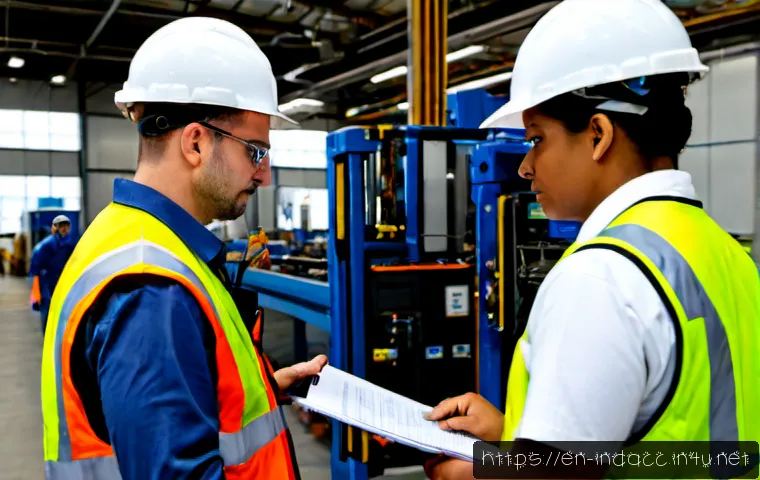
Understanding the patterns and causes behind workplace accidents is essential for creating safer work environments. An industrial accident analysis report serves as a crucial tool to identify risks, prevent future incidents, and comply with safety regulations.

By breaking down each event methodically, businesses can uncover hidden hazards and implement effective solutions. Whether you’re a safety manager or an employee, knowing how to structure these reports can make a significant difference.
Let’s dive in and explore the key components and best practices for crafting a comprehensive industrial accident analysis report. I’ll guide you through the details to make it clear and actionable!
Identifying the Root Causes Behind Workplace Incidents
Analyzing Human Factors and Behavioral Patterns
Understanding the human element in workplace accidents is crucial. Often, incidents stem from lapses in judgment, fatigue, or lack of proper training.
For example, when employees are overworked or distracted, their attention to safety protocols diminishes, leading to mistakes. I’ve noticed in several cases that even experienced workers can slip up when under pressure or in a hurry.
Documenting these behavioral triggers helps in designing better training programs and scheduling breaks strategically to reduce errors. It’s not just about blaming the person but recognizing systemic issues that contribute to risky behavior.
Evaluating Equipment and Environmental Conditions
Sometimes, the cause lies in faulty machinery or unsafe work environments. Equipment that’s poorly maintained or outdated can suddenly malfunction, catching workers off guard.
From my experience, a regular maintenance log combined with real-time inspections can drastically reduce unexpected breakdowns. Environmental factors such as inadequate lighting, slippery floors, or excessive noise also play a significant role.
These conditions often go unnoticed until they contribute to an accident, so including detailed environmental assessments in your report is vital.
Assessing Organizational and Procedural Weaknesses
Beyond individuals and equipment, organizational issues like unclear procedures, insufficient safety policies, or lack of supervision often underlie incidents.
I’ve seen situations where unclear communication channels or incomplete safety instructions led to confusion on the floor. These gaps create an environment where accidents become more likely.
Highlighting these weaknesses allows management to refine protocols, enhance training, and improve oversight, thereby creating a culture that prioritizes safety at every level.
Structuring Incident Details for Clear Insight
Chronological Reconstruction of the Event
Laying out the timeline of events helps pinpoint exactly when and how the accident unfolded. Detailing each step, from the moment before the incident through to the emergency response, can reveal critical moments that contributed to the accident.
In my own reports, I find that including witness statements and timestamps makes the reconstruction more precise. This approach not only clarifies the sequence but also highlights potential delays or missteps in the response process.
Describing Injuries and Property Damage
A thorough description of the injuries sustained and any damage to property or equipment is essential. This section should include the type and severity of injuries, medical treatment administered, and the impact on the affected employee’s ability to work.
Additionally, quantifying equipment damage helps in estimating repair costs and potential downtime. From what I’ve observed, having detailed injury and damage records supports better risk assessments and can influence future safety investments.
Documenting Witness Observations and Statements
Eyewitness accounts add depth and reliability to the analysis. Encouraging witnesses to provide detailed, unbiased observations can uncover overlooked factors.
When I conduct investigations, I always emphasize gathering multiple perspectives to build a comprehensive picture. These statements often reveal subtle cues, like unusual noises or actions, that cameras or sensors might miss.
Including these testimonies enriches the report and can strengthen legal or insurance claims if needed.
Incorporating Visual Evidence and Supporting Data
Utilizing Photographs and Diagrams
Visual aids like photos of the accident scene, damaged equipment, or the layout of the workspace can dramatically enhance understanding. I’ve found that clear, well-labeled images help readers grasp complex situations quickly.
Creating simple diagrams or flowcharts to illustrate the sequence of events or hazard zones also adds clarity. These visuals serve as undeniable proof and often speed up decision-making when reviewing safety measures.
Leveraging Data from Sensors and Monitoring Systems
Modern workplaces often have sensors that record environmental data—like temperature, noise levels, or machine operation status. Incorporating this objective data into your report provides a factual backbone that complements eyewitness accounts.
For instance, if a sensor logs abnormal vibrations in machinery just before an accident, it’s a strong indicator of mechanical failure. In my experience, combining qualitative and quantitative data leads to more credible and actionable reports.
Integrating Historical Safety Records
Looking back at previous incidents or near-misses in the same area or with the same equipment can reveal patterns that warrant attention. I always recommend including a brief review of past reports to see if the current incident fits into a recurring problem.
Identifying trends helps prioritize corrective actions and prevents future accidents by addressing root causes that might otherwise be overlooked.
Developing Practical and Impactful Recommendations
Proposing Engineering and Administrative Controls
Once risks are identified, the next step is suggesting concrete changes. Engineering controls might include upgrading machinery, adding safety guards, or improving ventilation.
Administrative controls could involve revising work schedules, enhancing training, or enforcing stricter supervision. From my standpoint, balancing these two approaches ensures both immediate and long-term improvements.
Recommendations that are too theoretical rarely get implemented, so grounding them in everyday practicality is key.
Emphasizing Employee Engagement and Training
Safety isn’t just about rules—it’s about people. Engaging employees in safety discussions and training sessions builds a culture where everyone feels responsible.
I’ve seen firsthand how involving workers in hazard assessments and solution brainstorming increases buy-in and compliance. Tailoring training to specific roles and risks makes it more relatable and effective.
Including this human element in your recommendations can transform safety from a checklist item into a shared priority.

Setting Measurable Goals and Follow-Up Procedures
Recommendations are only as good as their implementation and evaluation. Setting clear, measurable goals—like reducing incident rates by a certain percentage or completing all safety audits quarterly—keeps everyone accountable.
I always advocate for scheduled follow-ups and audits to track progress and adjust plans as needed. Including these timelines and checkpoints in the report ensures that safety improvements don’t stall and continue evolving with the workplace.
Presenting Data and Incident Types Clearly
Classifying Incident Categories
Breaking down accidents by type—such as slips, trips, falls, equipment malfunctions, or chemical exposures—helps prioritize resources effectively. When I categorize incidents, it becomes easier to spot which areas or activities are most hazardous.
This targeted approach allows safety teams to focus their efforts where they matter most, rather than spreading resources too thinly.
Quantifying Incident Frequency and Severity
Tracking how often certain types of incidents occur and their severity level is vital for understanding risk exposure. Using metrics like the number of lost workdays, medical costs, or near-miss frequency paints a fuller picture.
From my experience, presenting this data in a concise, visually accessible way helps leadership grasp the urgency and make informed decisions.
Summarizing Key Findings in a Table
Here’s a clear example of how incident data can be organized to enhance understanding:
| Incident Type | Frequency (Last 12 Months) | Average Severity | Primary Causes | Recommended Actions |
|---|---|---|---|---|
| Slips, Trips, Falls | 15 | Moderate | Wet floors, poor lighting | Improve floor drainage, enhance lighting |
| Equipment Malfunctions | 8 | Severe | Maintenance lapses, outdated machinery | Implement preventive maintenance, upgrade equipment |
| Manual Handling Injuries | 10 | Moderate | Improper lifting techniques, lack of training | Conduct ergonomics training, provide lifting aids |
| Chemical Exposure | 3 | High | Insufficient PPE, poor ventilation | Enforce PPE use, improve ventilation systems |
Ensuring Compliance with Legal and Safety Standards
Aligning Reports with Regulatory Requirements
Industrial accident reports must adhere to OSHA standards or local workplace safety regulations. I’ve learned that failing to meet these requirements can result in fines or legal action, so it’s critical to stay current with laws.
Including references to applicable codes within your report demonstrates thoroughness and can protect your organization in audits or investigations.
Documenting Corrective Actions for Accountability
Clear documentation of what actions were taken post-incident is a must. This not only shows compliance but also builds a record for continuous improvement.
From my observations, reports that track follow-through on recommendations foster greater accountability and help prevent repeat incidents.
Preparing Reports for Multiple Audiences
Different stakeholders—management, employees, safety inspectors—need tailored information. I always suggest structuring reports so that technical details are available for experts, while summaries and visuals help non-technical readers understand the risks and responses.
This multi-layered approach ensures the report serves its full purpose, promoting transparency and engagement across the board.
Leveraging Technology to Streamline Reporting
Using Digital Tools for Data Collection
Modern software and mobile apps make gathering incident data faster and more accurate. I’ve personally switched to digital reporting tools and noticed how they reduce paperwork and speed up analysis.
Real-time data entry helps capture details while memories are fresh, improving report quality.
Automating Analysis and Trend Detection
Some platforms offer automated analytics that flag patterns or emerging risks. This kind of technology has transformed how I identify problem areas without sifting through mountains of data manually.
Automated alerts and dashboards keep safety teams proactive rather than reactive.
Enhancing Communication with Interactive Reports
Interactive digital reports that include clickable charts, embedded videos, or real-time updates engage readers more effectively. In my experience, these formats increase report accessibility and encourage stakeholders to review safety information thoroughly, boosting overall workplace safety culture.
In Conclusion
Understanding the root causes of workplace incidents is essential for creating safer environments. By carefully analyzing human behavior, equipment conditions, and organizational factors, we can develop targeted strategies that prevent accidents. Incorporating clear documentation, visual evidence, and technology further strengthens these efforts. Ultimately, fostering a culture of safety through engagement and continuous improvement makes all the difference.
Useful Information to Keep in Mind
1. Identifying behavioral patterns helps tailor effective training and reduce human errors.
2. Regular equipment maintenance and environmental checks prevent unexpected hazards.
3. Clear communication and well-defined procedures minimize organizational weaknesses.
4. Combining qualitative witness accounts with quantitative sensor data provides a complete incident picture.
5. Setting measurable safety goals and following up ensures ongoing risk reduction.
Key Takeaways
Accurate incident reporting requires a holistic approach that covers human, technical, and organizational aspects. Prioritizing practical recommendations and employee involvement is critical to lasting safety improvements. Leveraging digital tools enhances data collection and analysis, while aligning reports with legal standards protects your organization. Clear communication tailored to diverse audiences maximizes understanding and accountability, creating a safer workplace for everyone.
Frequently Asked Questions (FAQ) 📖
Q: What are the essential elements to include in an industrial accident analysis report?
A: A thorough industrial accident analysis report should cover several key components to be effective. Start with a clear description of the incident—what happened, where, and when.
Next, identify the people involved and any witnesses. Then, analyze the root causes by looking beyond the immediate event to underlying factors like equipment failure, human error, or unsafe conditions.
Include any contributing factors such as environmental or organizational issues. Finally, outline corrective actions and preventive measures to avoid similar accidents in the future.
Adding photos, diagrams, or charts can also enhance clarity. From my experience, reports that are detailed yet straightforward help everyone—from safety managers to frontline workers—understand and act on the findings.
Q: How can businesses use accident analysis reports to improve workplace safety effectively?
A: Accident analysis reports are more than just documentation; they’re powerful tools for continuous safety improvement. By systematically breaking down each incident, businesses can spot patterns or recurring hazards that might not be obvious otherwise.
For example, if several reports point to slips in a particular area, it signals a need for better flooring or signage. Implementing the recommended corrective actions from these reports helps close safety gaps.
Additionally, sharing lessons learned with all employees fosters a safety-first culture. I’ve seen firsthand how regular reviews of these reports combined with employee training can drastically reduce repeat accidents, boosting overall morale and compliance with safety standards.
Q: Who should be responsible for preparing and reviewing industrial accident analysis reports?
A: Typically, the preparation of an industrial accident analysis report falls to the safety manager or a dedicated safety team because they have the expertise to investigate thoroughly and interpret findings accurately.
However, input from supervisors, employees involved, and witnesses is crucial to get a complete picture. Once drafted, the report should be reviewed by higher management to ensure accountability and to secure the necessary resources for corrective actions.
Involving different levels of the organization not only improves the quality of the report but also promotes ownership of safety improvements. In my experience, when everyone from workers to executives takes part in the process, the results are more impactful and sustainable.